
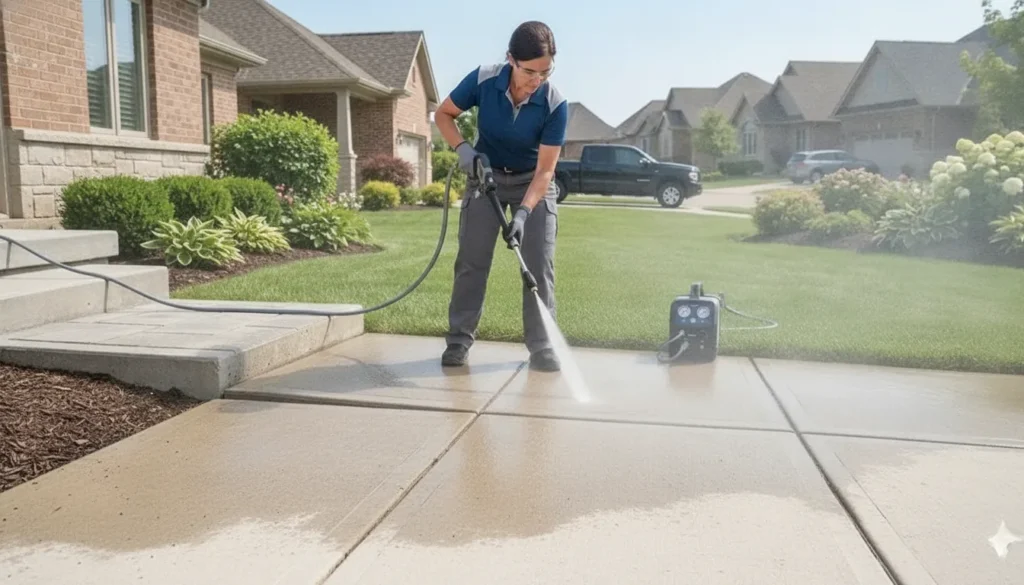
Unsealed concrete driveway joints allow rainwater to seep directly into North Texas expansive clay soil. This moisture makes the soil swell and shift, which eventually cracks your heavy concrete slabs. Regular maintenance blocks this water and keeps your driveway level for years.
Schedule a free concrete driveway inspection in Dallas-Fort Worth
Proper concrete driveway maintenance prevents early cracking and settling by sealing out the water that makes North Texas clay soils shift. Our local ground shrinks in dry summers and swells in wet winters, creating constant movement beneath your heavy concrete slabs. This work includes washing away motor oil, filling small surface cracks, and applying a quality sealant every two years. According to a pavement study by the Texas A&M Transportation Institute, performing early care is crucial. This routine work is much cheaper than waiting for major structural failures to occur. By blocking water from seeping under the concrete, you protect your driveway slabs and avoid the need for expensive repairs like leveling or complete replacement.
So why should a local homeowner invest time and a modest budget in keeping their driveway in good shape? The payoff is simple: a well-maintained slab lasts longer, stays safer, and avoids major repair bills down the road. Understanding why concrete driveway maintenance matters for North Texas homes is the first step to protecting that investment.
Why Concrete Driveway Maintenance Matters for North Texas Homes
You pull into your driveway after a long day of work, only to spot a new hairline crack snaking across the slab. It is easy to look past a tiny crack or a small dark stain on the surface. But in North Texas, small cracks can quickly become big risks.
Your concrete driveway is one of the first things guests see when they visit. Keeping it in top shape starts with routine concrete driveway maintenance. Simple habits can help keep your driveway safe, neat, and stable for years to come.
The Cost of Delaying Care
Leaving small cracks alone is a costly mistake that many homeowners make. If you do not fix minor wear early, the concrete will break down at a much faster rate. A study by the Texas A&M Transportation Institute shows how fast wear can spread.
When you ignore low-level wear, the pavement breaks down and leads to huge repair bills down the road. Water slips into open cracks, washes away the soil beneath, and causes the slab to sink or tilt. Taking care of small issues today is the easiest way to protect your budget.
How Clay Soil Threatens Concrete
In North Texas, our local soil plays a huge role in how concrete behaves. The region sits on expansive clay soil, often called blackland prairie. This clay acts like a sponge, swelling up when wet and shrinking during dry spells.
As the ground shifts beneath your driveway, it puts heavy stress on the rigid concrete slabs above. When water seeps through open joints, it changes the soil moisture beneath the slab. This uneven moisture causes sections of your driveway to lift or sink, which quickly cracks the concrete.
Because the clay shifts so much, you should watch for early signs of soil movement under your driveway. These key signs include:
- Small gaps that open between the concrete edges and your lawn.
- Hairline cracks that grow wider after heavy rain or hot dry spells.
- Water pooling in the middle of a slab instead of draining off.
- Slightly uneven joints where two concrete sections meet.
Protecting Your Concrete Driveway
Proactive concrete driveway maintenance is the best way to fight these soil changes. When you clean and seal your driveway, you create a shield that blocks water from soaking into the concrete. Filling joint cracks early also keeps moisture from reaching the clay soil below.
If you wait until the slab sinks, you will face complex structural problems. Taking care of small issues now is much cheaper than paying for a major concrete driveway repair later. A small investment in routine care will keep your driveway smooth and strong.
How Expansive Clay Soil Affects Your Concrete Driveway
Many North Texas homeowners watch their paved driveways shift and crack over time. The main cause of this issue sits deep in the ground. The region is known for its blackland prairie soil, which contains a high amount of active clay. This soil movement is a key factor to consider for concrete driveway maintenance.
The clay in our region absorbs water like a sponge and swells up when wet. When dry weather returns, the soil shrinks and leaves big gaps beneath the surface. This constant shifting creates a pattern of movement that puts heavy stress on any concrete slab.
The Science of Soil Movement
Expansive clay reacts strongly to moisture changes. In the spring, heavy rains soak the ground and cause the soil to lift. During hot summer months, the lack of rain makes the soil contract and pull away from the driveway edge. This cycle of swelling and shrinking means the soil under the slab is never still.
When the ground moves, it does not do so evenly. Some parts of the driveway may have more shade or get more water runoff. When water levels are not the same, one side of the slab rises while the other sinks. Over time, this bending force exceeds what concrete can bear, leading to deep cracks.
How Soil Shifting Causes Damage
The space under your driveway needs to be solid to support the heavy weight of cars. As the clay shrinks, it leaves empty voids beneath the concrete. Without solid soil support, the heavy slab bends under its own weight or the weight of cars. This lack of support is how deep dips and uneven sections start to form.
Once the concrete cracks, water can easily seep through the openings and reach the soil below. This water makes the clay swell even more, which speeds up the rate of damage. Studies from the Texas A&M Transportation Institute show that putting off care leads to rapid damage and high repair costs. Acting early is the best way to prevent your driveway from becoming a trip hazard.
Preventing Moisture-Driven Shifts
The main goal of driveway care is to keep water out of the soil under the concrete. When you seal cracks and joints, you stop rain from soaking into the clay. This helps keep the moisture level in the soil steady throughout the year. Steady soil moisture is key to stopping the rise and fall of the concrete slabs.
Proper drainage around your driveway is also important. You should make sure water drains away from the edges of the concrete rather than pooling there. Keeping the soil moisture stable prevents the clay from shrinking or swelling too much. This simple step can add many years to the life of your driveway.
The Core Concrete Driveway Maintenance Routine: Clean, Seal, Inspect
Taking care of your concrete driveway is about more than just looks. A good routine keeps your slab strong and safe for decades. In North Texas, this care is even more vital because of the local soil.
Our region rests on expansive clay that swells when wet and shrinks when dry. These soil shifts put constant pressure on your driveway. A steady plan is the best way to prevent damage before it starts.
The value of early care
Routine work saves you money over time. If you wait to fix cracks, rain will seep under the slab. This water changes the moisture in the clay soil, which makes the concrete tilt or sink. A report by the Texas A&M Transportation Institute shows that early maintenance prevents fast decay and high repair bills.
Catching small issues now keeps your driveway level and stable. It also prevents the need for major repairs that can disrupt your schedule. When you protect your driveway, you also protect your home’s curb appeal and overall value.
A three-step driveway cycle
You can protect your slab with a simple three-step cycle. Setting up a steady concrete driveway maintenance plan stops minor wear from turning into a major headache. This routine keeps water out and helps you spot ground movement early.
Following these steps ensures your driveway stays strong and looks great year after year. It takes only a few hours of work each season to keep your concrete in top shape.
- Keep the surface clean: Sweep away leaves and dirt to stop mold from growing. Wash off oil or grease spills fast to prevent deep stains in the concrete pores. Clean concrete is much easier to check for new cracks and shifts.
- Seal the concrete: Apply a high-quality sealant about every two years to block moisture. Sealing stops rain from soaking into the concrete and shifting the soil below. It also shields the slab from hot Texas sun and winter frost.
- Inspect for cracks: Check the driveway every few months for small splits. Fill these gaps quickly so water cannot get under the slab and wash away the soil. Early action stops small cracks from growing into big trip hazards.
Here is how the three actions fit together as a year-round plan:
| Maintenance Step | How Often | What It Prevents |
|---|---|---|
| Clean the surface | Weekly sweep; clean spills right away | Mold, deep oil and grease stains, hidden cracks |
| Seal the concrete | About every two years | Water seeping into pores and shifting clay soil |
| Inspect for cracks | Every few months | Small gaps growing into trip hazards |
When to adjust the schedule
Texas weather can change how often this routine should be repeated. Our hot, dry summers shrink the clay soil, while heavy spring rains swell it. These dramatic cycles can cause the concrete to shift and crack. Be sure to check your driveway more often after long dry spells or heavy storms.
Extreme weather puts extra stress on the slab. Changing your care to the seasons helps you catch shifts before they become major safety issues. It also helps you plan your sealing work for the best times of the year. For instance, sealing in the mild fall weather prepares the slab for winter’s chill.
Cleaning Your Driveway Without Damaging the Concrete
Keeping your driveway clean does more than boost curb appeal. It is a vital part of concrete driveway maintenance. Over time, dirt and grime can wear down the surface and hide fine cracks.
Finding cracks early is very important in North Texas. Our expansive clay soil shifts and shrinks with the weather, which can easily cause your slab to crack or sink. If you keep the slab clean, you can spot these cracks before they grow.
Porous concrete and stains
Concrete looks solid, but it is in fact full of tiny pores. These tiny holes act like a sponge. When oil, grease, or dirt sit on the slab, they sink deep into the surface.
According to the University of South Florida Water Atlas, concrete is porous. This makes it hard to clean once stains set. This is why you must act fast. Letting a spill sit means it will be much harder to remove later. You can stop many of these stains by keeping your cars in good shape. Regular car care stops oil leaks from reaching your driveway in the first place.
Simple steps for spills
If you do get an oil or grease spill, you must treat it right away. Do not spray it with water first, as this will only spread the oil around. Instead, toss a thick layer of kitty litter or dry clay on the spot.
The clay acts as an absorbent to pull the wet oil out of the concrete pores. Let the clay sit for a few hours to soak up the spill. Once the kitty litter is dry, sweep it up and throw it away.
After sweeping, you can tackle the oily mark. Scrub the stain with a small amount of concentrated detergent and a long-handled brush. Use a circular motion to work the soap into the concrete.
Then, rinse the spot with clean water and let it dry. If the stain is still there, you can repeat these cleaning steps until the mark is gone.
Also, think about where the dirty water goes. Hosing down a driveway can cause runoff to flow into storm sewers and local streams. According to the same environmental guide, this runoff can pollute local waterways. So, use as little water as possible, and sweep up loose dirt instead of hosing it down.
Harsh chemicals to avoid
When cleaning a concrete driveway, safety is key. Some harsh chemicals might seem like quick fixes, but they can forever ruin the concrete surface. You should never use solvents like gasoline, alcohol, mineral spirits, or kerosene. These liquids pose real fire hazards and can pollute local soils.
Also, avoid using caustic solutions such as muriatic acid. Muriatic acid is also known as hydrochloric acid. It is highly toxic and eats away at the cement that holds the slab together.
Using these harsh agents can cause pitting and scaling. It can also weaken the concrete. Stick to mild soap, water, and elbow grease to keep your driveway in peak shape.
How Often Should You Seal a Concrete Driveway?
The Two-Year Sealing Standard
Sealing is a vital part of concrete driveway maintenance. For most homes, you should reseal the surface about every two years. If you wait too long, water can easily seep into the concrete. Our local North Texas weather brings heavy rains and dry spells that test your driveway every day.
Applying a new coat of sealer keeps water and dirt out of the tiny pores. This is important in North Texas because our expansive clay soil swells and shrinks when wet. When water leaks through your driveway, it alters the soil moisture below the slab, which can make the concrete shift. This shifting leads to ugly cracks and uneven joints.
Routine care stops this water damage before it starts. A study by the Texas A&M Transportation Institute shows that failing to do routine upkeep leads to fast pavement damage and high repair costs. Investing in professional concrete sealing is a smart way to protect your slab. It blocks moisture from getting into the concrete and keeps the ground below stable.
You can perform a simple water test to check your sealer. Splash a cup of water on a few spots of your driveway. If the water beads up and pools on top, your sealer is still doing its job. If the water sinks in and darkens the concrete, it is time to reseal.
When to Seal Sooner
You may need to seal your driveway sooner than two years if you see signs of wear. Heavy traffic and hot Texas sun can wear down the seal coat quickly. If water no longer beads on the surface, the sealer has worn away. Water will sink into the concrete instead of staying on top.
You should also check for cracks and faded spots. When the concrete looks dull and gray, it is open to water and oil stains. Catching these signs early helps you keep the slab strong and clean. It is much easier to apply a fresh coat of sealer than to fix major damage later.
Protecting New Driveway Slabs
If you have a brand-new concrete driveway, it needs special care. New concrete takes time to cure and gain full strength. During this early stage, the surface is extra open to salt and oil damage. You must let the slab cure fully before applying any heavy coating.
Be sure to avoid using deicers or salt on new concrete during its first winter. Salt can cause the surface to pit, flake, or crack. Salt draws in extra water, which freezes and expands inside the concrete. Once the first year passes, you can seal the slab to shield it from future winter weather.
Managing Settling Cracks Before They Become Trip Hazards
Soil Shifts and Raised Ledges
North Texas is known for its expansive clay soil. This clay behaves like a sponge by swelling when wet and shrinking during dry spells. This constant shifting puts deep stress on your concrete driveway, causing the slabs to crack and drop in spots. As the ground moves, some sections of the driveway stay high while others sink.
When one concrete slab sinks while the next stays in place, a rough ledge forms. Even a small half-inch rise can catch a foot, creating a major trip risk for family and guests. If you see these raised lips, think about booking a concrete driveway repair before a small dip becomes a major risk. Taking care of these cracks early keeps your driveway safe and neat.
How Water Softens Soil Support
When clay soil shifts, small cracks start to form in your driveway and act like open drains. Rainwater flows right through these cracks and deep into the ground below your concrete driveway. This water softens the soil and can wash away the dirt that holds up the heavy concrete. Once the soil turns soft or washes away, the slab loses its support.
When water washes the dirt away, it leaves empty voids that cause the concrete to lose its solid base. Driving a car or truck over these weak spots forces the concrete to sink into the empty pockets. This sinking makes the old cracks wider and can cause new cracks to break across the driveway. In time, the entire slab can break under the stress of daily traffic.
The Financial Benefits of Early Upkeep
Staying on top of these minor cracks is a vital part of concrete driveway maintenance. Fixing small cracks early keeps water out and stops soil from washing away. Pavement experts at the Texas A&M Transportation Institute show that early upkeep prevents rapid wear (Texas A&M TTI). Fixing low levels of damage now prevents costly problems and saves you from high repair bills later.
If you let small cracks sit, they grow into large gaps that make the entire driveway unstable. It is much better to fill small cracks and level sunken slabs now. Taking action today keeps your driveway smooth, protects your home’s value, and ensures your family can walk safely without the risk of tripping. A smooth surface gives you peace of mind.
When to Call a Professional for Driveway Leveling
Routine concrete driveway maintenance can keep your slab in good shape. But some problems are too big for DIY fixes. If your driveway is sinking, cracked, or uneven, it is important to know when to call in the experts. In North Texas, our clay soil makes this choice critical. When the blackland clay shifts, it leaves empty spaces that cause the concrete to sag and break.
The Five Levels of Pavement Care
Experts at Texas A&M say there are five concrete pavement maintenance levels that define how we care for concrete. These levels run from simple checks and preservative seals up to functional repairs, structural fixes, and full replacement. For most homeowners, DIY work stops after the first two levels. Simple crack filling and sealing are preservative tasks. But when a slab begins to drop or break apart, you enter the realm of structural repair. At this stage, expert tools are needed to save the driveway.
When simple sealing is not enough
How do you know when your driveway has moved past simple care? Look for clear warning signs. A small crack is easy to seal on your own. But a deep crack with one side higher than the other shows a bigger issue. This means the soil under the slab has washed away or shrunk. Look for these signs of deep damage:
- Large voids or empty spaces under the concrete edge.
- Cracks with one side sitting higher than the other.
- Slabs that slope and pool water toward your home.
If you see these problems, it is time to act. Be sure to seek a foundation inspection from a local expert to find the root cause of the shift. Letting these issues sit will only lead to worse damage over time.
The modern concrete lifting solution
In the past, fixing a sunken driveway meant tearing out the entire slab. This was loud, messy, and slow. Today, you have a better option. You can choose PolyLevel concrete leveling to lift and level your driveway. This method uses a high-density foam that is pumped through small holes in the concrete. The foam expands to fill voids, pack the loose clay soil, and lift the slab back to its correct height. It cures in about fifteen minutes, so you can use your driveway almost right away. This approach stops water from getting under the concrete, which helps prevent future soil shifting.
If you want to protect your home and keep your driveway safe, starting with an expert view is the best step. You do not have to guess at the cause of your uneven driveway. A local expert can check your slab and suggest the right fix. You can get a free estimate to learn what your driveway needs to stay strong and level. Taking care of your concrete driveway maintenance today keeps small settling problems from turning into a costly replacement job tomorrow.
Request a free driveway leveling estimate today to keep your slab safe
Frequently Asked Questions
What basic maintenance does a concrete driveway need?
To keep concrete strong, be sure to clear oil spills quickly, seal the surface, and fix small cracks early. In North Texas, expansive clay soil shifts when dry or wet. Sealing keeps water out of the soil under your slab, which stops the ground from moving. A study by the Texas A&M Transportation Institute shows early care stops deep damage. This simple step saves you from high repair costs later.
Should you pressure wash a concrete driveway?
Yes, you can pressure wash your driveway, but be careful with the pressure level. High pressure can chip or wear down the top layer of concrete. Be sure to use a safe setting of about 3,000 psi. Do not use harsh acids on the surface. Reports from the University of South Florida state that concrete is porous and hard to clean once stains set. Regular washings help keep stains from sinking deep into the slab.
How often should a concrete driveway be sealed?
It is best to seal a concrete driveway about every two years. In North Texas, the weather is very hot and dry in the summer and cold in the winter. This harsh climate puts stress on concrete. Sealing acts like a shield. It keeps water out of the slab, which stops the concrete from cracking. Sealing also blocks dirt, oil, and chemicals from leaving ugly marks on your driveway.
How do I make my concrete driveway look new again?
To make your driveway look new, start with a deep clean. Clear any oil and grease spills right away by using kitty litter to absorb the liquid. After that, scrub the spot with a strong soap and a long brush. Avoid using solvents like gasoline or kerosene, as they can ruin the concrete. Once the slab is dry and clean, apply a fresh coat of high-quality sealer to protect the surface.
Ready to Protect Your Concrete Driveway and Extend Its Life?
Leaving small cracks in your concrete driveway open allows heavy seasonal rain to seep deep into the active clay soil that sits under your slab. This water makes North Texas clay swell and shrink, which soon leads to uneven sinking, pooling water, and deep structural cracks. Taking action to seal and secure your concrete driveway today stops this shifting, prevents soil erosion, and saves you from a very costly slab replacement.
Ready to protect your home? Call us at (940) 365-4221 or Contact Solid Base Foundations to schedule a free estimate for concrete driveway leveling and inspection. Our local experts are ready to help you protect your home and your investment today.
Get your free driveway leveling estimate at Solid Base Foundations
Call us at (940) 365-4221 to speak with a local expert and schedule your free estimate today.