
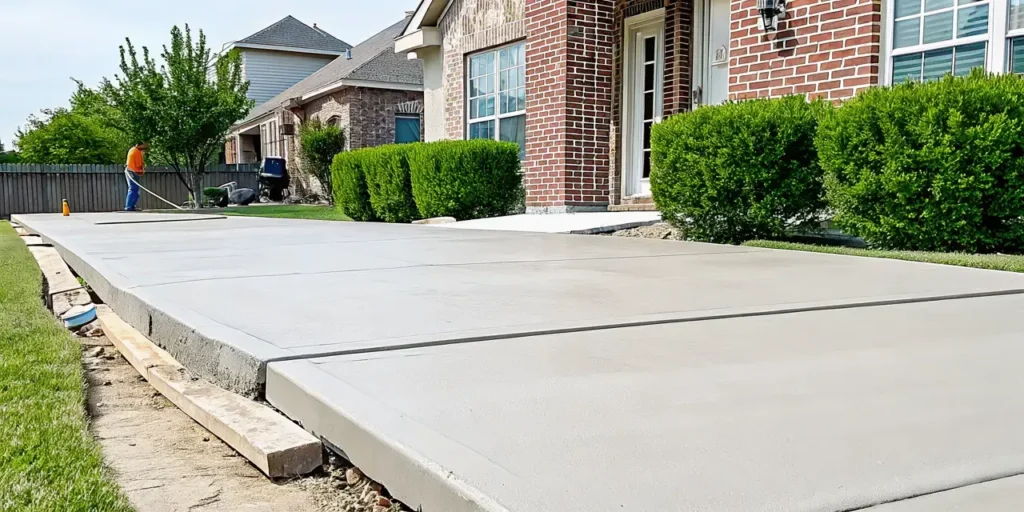
An open driveway joint can look like a narrow cosmetic gap, but in North Texas it can become a direct route for rain and irrigation water to reach the supporting soil. A professional concrete joint sealant Dallas homeowners can rely on helps close that route while allowing adjacent slabs to move as temperatures and soil moisture change.
Request a free concrete repair estimate from Solid Base Foundations.
Direct answer: NexusPro is a silicone-based joint and crack sealant designed to remain flexible through harsh weather and UV exposure. When installed in a properly prepared joint over non-absorbent backer rod, it helps keep water and weeds out, protects the soil below, and creates a clean finished joint.
Sealing is not a cure for every concrete problem. A joint sealant protects gaps and cracks; it does not lift a slab that has already settled or restore lost soil support. This guide explains where NexusPro fits, how professional installation differs from a quick DIY caulk job, and when a broader concrete repair assessment makes sense.
Why failed concrete joint sealant matters in Dallas
In brief: Failed joints let water move beneath driveways, sidewalks, patios, and pool decks. That moisture can contribute to changes in the supporting soil, while an open gap also catches debris and gives weeds room to grow. Sealing interrupts that pathway before the joint becomes a larger maintenance problem.
Concrete is intentionally divided by control and expansion joints so slabs have defined places to accommodate movement. The joint only performs well when its filler and sealant remain intact. Once the material pulls away, splits, or disappears, the opening begins collecting water, soil, leaves, and seeds.
Dallas-area conditions make water control especially important. Extended dry periods can be followed by heavy rain, and moisture can vary sharply from one side of a slab to the other. Water entering an open joint may soften or carry away loose material beneath the slab. Repeated wetting and drying can also change how evenly the base supports the concrete.
That process does not mean every open joint will immediately cause settlement. It does mean the joint is no longer helping protect the base as intended. Early sealing is a practical maintenance step, especially where runoff, downspouts, or sprinklers repeatedly wet the same area.
Warning signs around a joint
- The old sealant is cracked, brittle, missing, or separated from an edge.
- Water visibly disappears into the joint instead of draining across the surface.
- Weeds or grass repeatedly grow through the opening.
- One slab edge is beginning to sit higher than the neighboring edge.
- The surrounding concrete has developed connected cracks or small voids.
If the last two signs are present, sealing alone may be too limited. Review the options for driveway leveling in DFW before the height difference becomes a larger trip or drainage concern.
What is NexusPro concrete joint sealant?
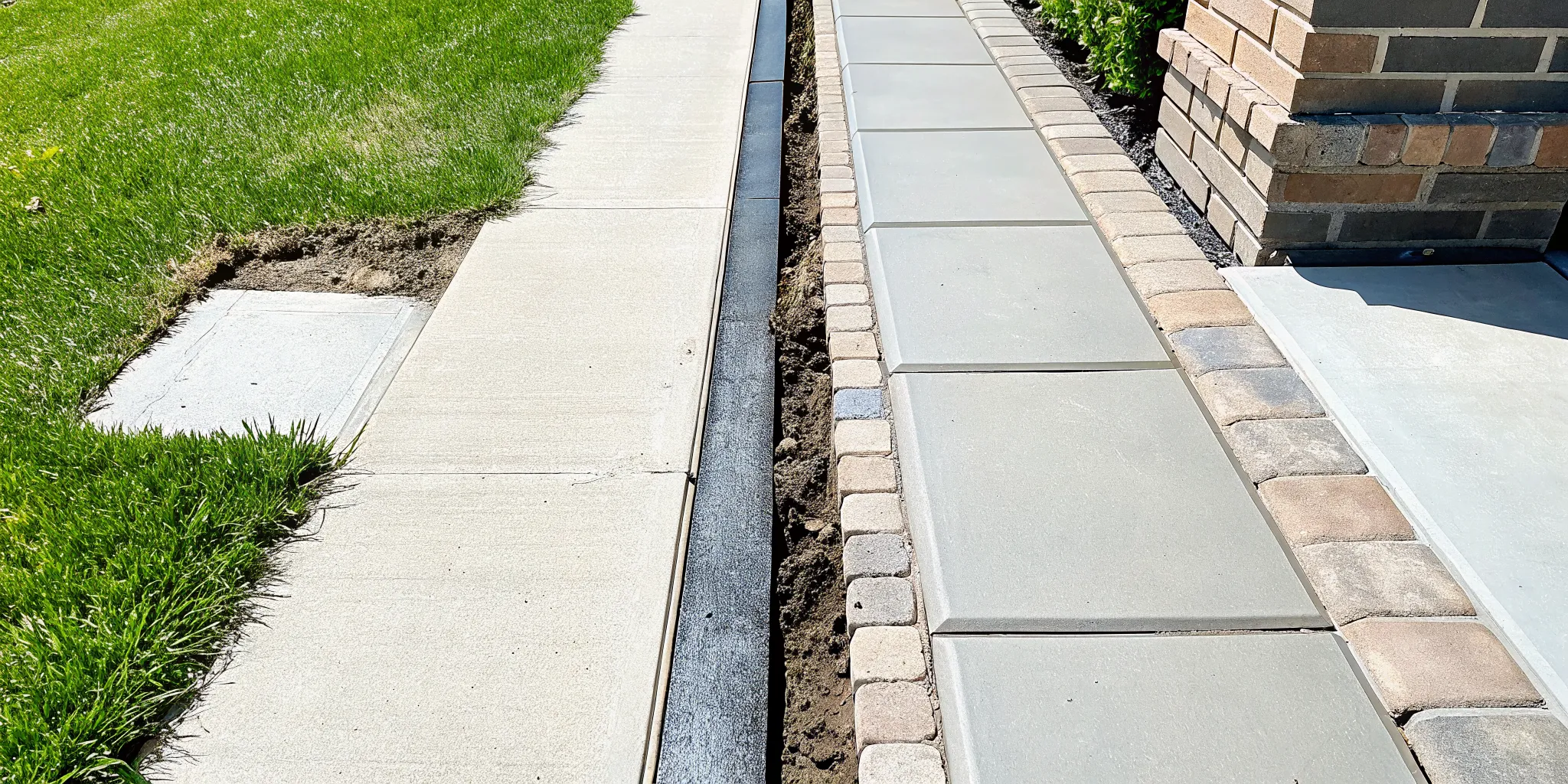
In brief: NexusPro is a silicone-based material formulated for cracks and control joints. It remains flexible, resists UV exposure, and stands up to harsh weather without drying, cracking, or bubbling. Solid Base Foundations can install it year-round, and the material cures in about 60 minutes.
Flexibility is the central advantage. A driveway joint is not a static line. Adjacent panels expand in heat, contract in cooler conditions, and respond to movement in the base. A rigid patch may look acceptable at first but can lose adhesion or crack when the joint changes width.
NexusPro is designed to move with the joint. Its UV resistance matters on exposed Dallas concrete because direct sunlight can quickly age materials that are not formulated for outdoor use. A finished installation also blocks the soil and seeds that support weed growth inside the gap.
The product is one part of a complete installation. Long-term performance also depends on cleaning the joint, establishing the right sealant depth, and bonding the material to the two concrete sides instead of the bottom. That is why backer rod and joint preparation matter as much as the sealant tube itself.
For a wider view of repair options for cracked, uneven, or deteriorated slabs, use the concrete repair versus replacement guide.
NexusPro vs DIY caulk
In brief: DIY caulk can close a small gap temporarily, but product selection and surface preparation determine whether it lasts. A professional NexusPro installation pairs a flexible, UV-resistant sealant with backer rod, controlled depth, clean sidewalls, and a finished surface designed for exterior concrete movement.
| Factor | NexusPro professional installation | Typical quick DIY caulk repair |
|---|---|---|
| Material behavior | Silicone-based and formulated for long-lasting flexibility | Varies widely by product; some harden or shrink outdoors |
| Joint preparation | Joint is drilled or smoothed, cleaned, and prepared | Often applied over dust, loose material, or old residue |
| Depth control | Non-absorbent backer rod helps establish the correct profile | Gap may be overfilled or filled to an inconsistent depth |
| Weather resistance | Resists UV rays and extreme temperatures | Depends on whether the chosen caulk is rated for the exposure |
| Cure time | About 60 minutes | Common urethane products may require 24 to 72 hours |
| Finish | Native sand can be applied for a uniform appearance | Finish depends on tooling skill and product color |
A DIY repair is most likely to fail when it treats the visible gap but ignores the joint geometry. Applying sealant too deep wastes material and can restrict the movement the joint needs. Applying it over damp, dirty, or crumbling edges weakens adhesion. Filling over old failed material simply creates another layer that can pull loose.
DIY work can still be reasonable for a small, non-structural maintenance joint when a homeowner uses the right exterior-rated product and follows its preparation instructions. A professional assessment is more useful when gaps are wide, edges are damaged, several slabs are affected, or settlement is already visible.
How professional concrete joint sealing works
In brief: Professional sealing starts with diagnosis, not caulk. The installer checks whether the slabs are stable, removes failed material, prepares clean joint edges, places non-absorbent backer rod, installs NexusPro to the intended profile, and details the surface with native sand for a neat finish.
- Inspect the concrete. The team determines whether the opening is a functioning joint, a crack, or evidence of movement that needs another repair.
- Remove loose material. Failed filler, debris, weeds, and contaminants are cleared so the new sealant can bond to sound concrete.
- Prepare the joint edges. Cracks and joints are drilled or smoothed as needed to create a consistent working area.
- Place backer rod. Non-absorbent filler controls sealant depth and keeps the material from bonding to the bottom of the joint.
- Install NexusPro. The flexible sealant is applied continuously through the prepared opening.
- Detail the finish. A thin layer of native sand helps the repair blend with the surrounding concrete.
The inspection step prevents an important category error. If a driveway panel has already sunk, closing the joint may reduce future water entry but will not raise the slab. PolyLevel concrete leveling addresses lost support by injecting expanding foam beneath affected concrete. Joint sealing can then protect the repaired area as part of a coordinated approach.
Where should concrete joint sealant be used?
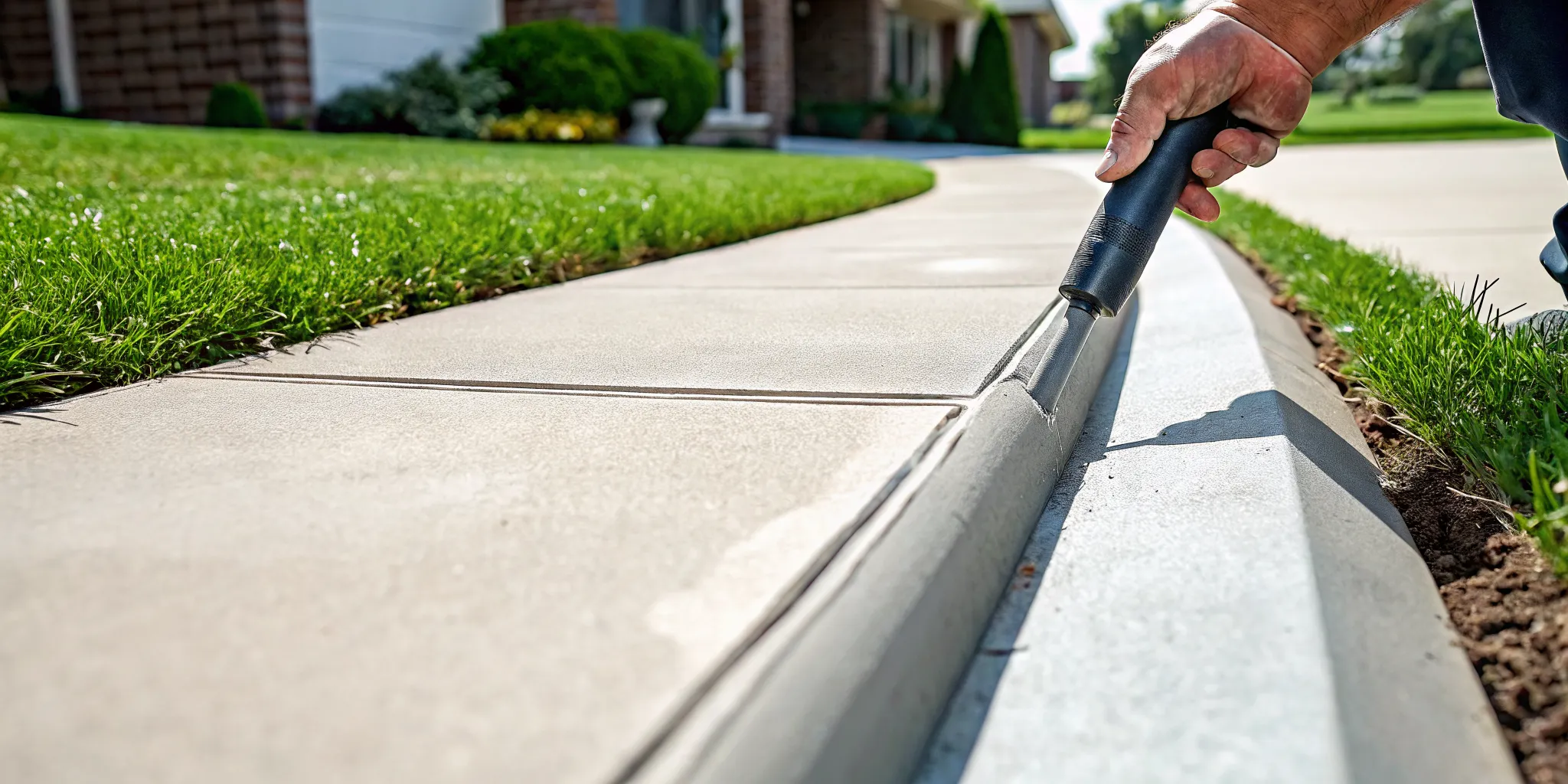
In brief: NexusPro is suited to prepared cracks and control joints on exterior concrete where keeping out water and weeds is important. Common applications include driveways, sidewalks, patios, pool decks, garage approaches, and joints where repaired or leveled slabs meet neighboring concrete.
Driveways receive the most attention because they combine vehicle loads, broad sun exposure, and large amounts of runoff. The joints between panels and the transition near a garage are practical inspection points. Sidewalk joints also deserve attention because uneven edges can become trip hazards along a frequently used route.
Pool decks and patios have a different exposure pattern. Splashing, cleaning, and landscape irrigation may keep joints wet even when it has not rained. Sealing helps limit water entry, but drainage still needs to carry water away rather than hold it against the slab.
Not every line in concrete should simply be sealed. Random cracks may indicate shrinkage, impact, or movement. Wide cracks, vertical offsets, and expanding damage should be evaluated first. The guide to sidewalk leveling and trip-hazard repair explains when uneven concrete needs more than surface maintenance.
When should Dallas homeowners reseal concrete joints?
In brief: Inspect joints at least twice a year and after major weather changes. Resealing is appropriate when the existing material separates from an edge, becomes brittle, cracks, or leaves openings where water and weeds can enter. Do not wait for a fixed calendar interval if the joint is already failing.
Spring and fall are useful inspection times because they follow different periods of temperature and moisture stress. Walk the full length of each joint instead of checking one convenient section. Pay particular attention to low spots, downspout discharge areas, sprinkler paths, and the downhill side of a driveway.
A simple water observation can reveal a problem. After rain, look for joints where water pools or vanishes into an opening. Also check whether soil is washing out near slab edges. These signs do not prove that the slab has lost support, but they justify closer inspection.
Seal now or request an assessment?
- Seal now: the slabs remain even, joint edges are sound, and the old sealant has simply separated or deteriorated.
- Request an assessment: one edge has dropped, cracks keep widening, water drains toward the structure, or multiple panels move under load.
If several symptoms appear together, learn how concrete lifting foam supports settled slabs before choosing a surface-only repair.
Is joint sealing enough for your concrete?
In brief: Joint sealing is enough when the concrete remains stable and the main problem is an open joint. It is not enough when slabs have settled, tilted, developed vertical offsets, or lost support. In those cases, leveling or another concrete repair should come before final joint sealing.
Think of sealant as protection, not structural lifting. NexusPro helps keep water, contaminants, and weeds out of a prepared opening. It cannot fill a large underground void or return a sunken driveway panel to its original elevation.
The most efficient repair plan addresses causes in the right order. A technician may recommend stabilizing or lifting a slab first, then sealing cracks and joints after the panels are aligned. This avoids sealing a joint profile that will change during the leveling work.
A professional inspection is also useful when concrete movement could relate to broader water-management or foundation concerns. Solid Base Foundations serves homeowners across the Greater Dallas area and can evaluate the visible concrete, nearby drainage patterns, and signs of lost support before recommending a repair.
Frequently asked questions
Quick answers: Homeowners commonly ask how quickly NexusPro cures, whether it works on cracks, whether sealant can level concrete, and why backer rod matters. The answers below clarify the limits and practical benefits of professional joint sealing for North Texas concrete.
How quickly does NexusPro cure?
NexusPro cures in about 60 minutes. That is substantially faster than urethane-based products that may need 24 to 72 hours. Actual site access should still follow the installer’s directions because joint size, weather, and the surrounding repair scope can affect the plan.
Can NexusPro be used on concrete cracks?
Yes. NexusPro is designed for prepared cracks and control joints. The installer first determines whether the crack is suitable for sealing or whether it points to settlement or another condition that needs to be corrected first.
Will sealing a joint level a sunken driveway?
No. Sealant protects the opening but does not raise concrete or restore support beneath a settled slab. Uneven panels may need leveling before the joints are sealed.
Why is backer rod used under joint sealant?
Non-absorbent backer rod controls sealant depth and helps create the intended joint profile. It also keeps sealant from bonding to the joint bottom, allowing the flexible material to respond more effectively as the concrete moves.
Protect your concrete before an open joint becomes a larger problem
In brief: A clean, flexible seal is a modest repair with an important purpose: it helps stop water and debris from entering the joints around your concrete. The right next step depends on whether the slabs are still stable or already show signs of lost support.
Solid Base Foundations can inspect your North Texas concrete, explain whether NexusPro joint sealing is appropriate, and identify any leveling work that should happen first. Contact the team to schedule your free estimate.