
A sticking front door or a new crack in your drywall can cause instant worry. For Dallas homeowners, these small signs often point to major soil shifting beneath the slab.
Foundation drainage is the main defense against the severe shifting and sinking caused by North Texas clay soil. According to academic research, these expansive clay soils cause about nine billion dollars in annual structural damage across the United States. Our local clay acts like a sponge, soaking up water to swell and then shrinking during hot summer droughts. This constant movement places extreme stress on your home’s concrete slab, leading to wall cracks and sticky doors. By directing water away from your home, a proper drainage system keeps the soil at a stable moisture level. To see if your home is now at risk, you can learn about the warning signs of foundation drainage problems.
To protect your home, it is key to answer one question: how does moisture affect your concrete slab? Understanding the relationship between North Texas clay soil and seasonal rainfall is the foundation of keeping your home structurally sound. Let us explore what happens underground and how proper drainage can save you thousands in future repair costs.
Foundation Drainage: Why North Texas Clay Soil Makes Drainage Critical for Your Foundation
The nature of expansive clay soil
North Texas sits on a unique type of earth known as blackland prairie clay. This clay is highly active and reacts to any moisture change. As these clay minerals absorb water, they expand and swell with immense power. When the soil dries out during hot summer months, it shrinks and leaves deep voids in the ground.
This shifting soil pulls and pushes against your home throughout the year. It puts a great deal of stress on any concrete foundation. In the Dallas metro area, this clay is the main force behind most foundation movement. It makes proper water control vital to protect your home.
In fact, expansive soils cause about $9 billion in damages each year to structures and roads in the United States. Without a plan to manage this water, your home is at risk. This constant ground movement will weaken the concrete over time and lead to cracks. Proper water control is the best way to keep your home safe.
How water causes soil heave
When heavy rain falls in North Texas, poor drainage can let water pool next to your home. As the clay under your slab absorbs water, it swells with immense force. In fact, wet clay can exert up to 5,500 pounds per square foot of uplift pressure. This upward force is strong enough to lift and crack even a thick concrete slab.
This upward movement is called heave. When water sits near your house, the soil gets wet and loses its strength. Over time, this constant upward pressure bends your slab, which leads to costly structural damage. This can result in stuck doors and uneven floors.
If you worry about wet soil, you should learn the warning signs of foundation drainage problems. Finding these clues early helps you protect your home. It allows you to take action before your concrete slab cracks and shifts. Proper drainage is the key to avoiding these issues.
Why soil shrinkage causes settlement
The other problem is just as bad. When dry weather returns, the clay soil shrinks. As it dries, it pulls away from your house and leaves large voids under the concrete. Without solid soil support under the home, the heavy concrete slab sinks into these empty spaces.
This sinking is known as foundation settlement. When your home cycles between heave in wet seasons and settlement in dry seasons, the structure breaks down. This is why proper professional foundation drainage solutions are so important. They keep the moisture in the clay soil steady throughout the entire year.
Essential Drainage Solutions Every Dallas Homeowner Should Consider
To protect your home, you must manage how water flows around it. Good foundation drainage prevents the soil from getting too wet or too dry. When water pools near your house, the local clay soil swells and puts pressure on your home. A good drainage plan will keep the soil dry and stable. This prevents the ground from shifting under your slab or pier and beam home.
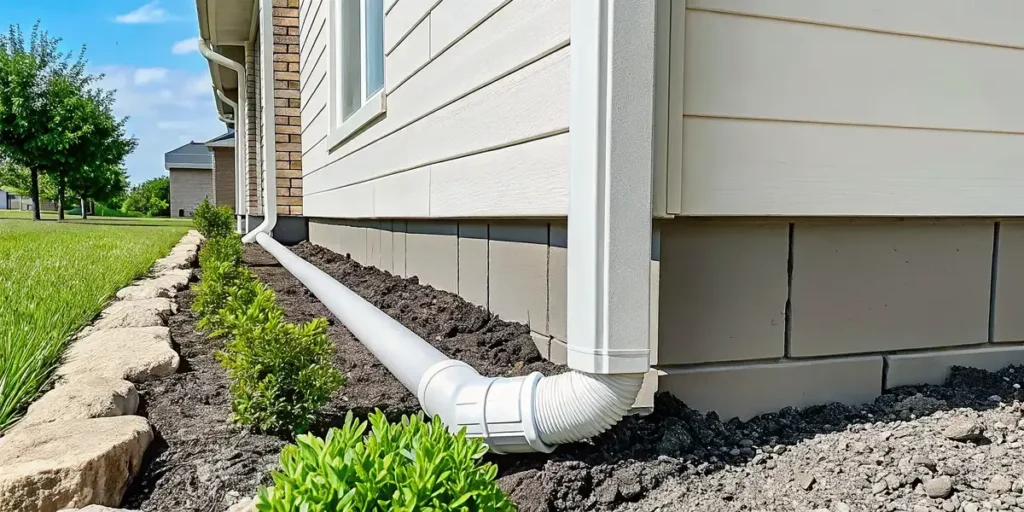
Downspout Extensions to Push Water Away
Gutters catch rain from your roof, but they only work if they carry that water far from your walls. Standard downspouts often dump water right at the base of your home. This water sinks into the ground and causes the clay to swell. You should look at adding extensions that carry water five to ten feet away from your foundation. These simple tools are cheap, easy to set up, and prevent water from pooling where it can do the most harm. Without them, rain will soak the dirt right next to your concrete slab.
Proper Site Grading and Natural Slopes
The ground around your home should slope away from your foundation. A proper drainage system uses natural slopes to guide water toward city storm drains or creeks. If the dirt around your house is flat or slopes inward, water will pool against your walls. To fix this, you can shape the soil to create swales, which are shallow, grass-lined ditches that act as natural paths for runoff. This simple grading keeps the soil near your home from getting soaked. It forces heavy rain to flow around your house rather than under it.
| Solution | Best For | Cost Level | DIY Feasibility |
|---|---|---|---|
| Downspout extensions | Roof runoff near foundation | Low | High |
| Grading and swales | Surface water pooling against walls | Low to moderate | Moderate |
| French drain | Subsurface groundwater near foundation | Moderate to high | Low (requires soil expertise) |
| Sump pump | Below-grade crawlspace or basement water | Moderate | Low (requires electrical work) |
Subsurface French Drains for Groundwater
Surface water is only part of the problem. Sometimes, water sinks deep into the earth and moves through the soil as groundwater. A French drain is a trench filled with gravel and a slotted pipe that sits below the ground. It catches this underground water and carries it safely away from your home. In the Dallas area, these systems help manage moisture levels so your foundation does not shift. Keeping the water level steady prevents the soil from shrinking when dry weather returns.
But most French drains in Dallas are installed wrong because of our thick clay soil. When clay gets wet, its minerals absorb water and expand, which creates structural instability under your home. If a contractor does not plan for this soil behavior, the clay will quickly clog the pipe or block water from getting into the trench. A proper system must use the right filter fabric and gravel to keep the clay out. Working with experts ensures your drainage works well for years to come. This keeps your home safe and dry.
To find the best option for your home, you can read our comprehensive foundation repair services guide. A custom layout will combine surface and subsurface tools to keep your foundation safe.
Advanced Drainage: French Drains, Sump Pumps, and Interior Solutions
Standard foundation drainage methods like gutters and surface grading are great first steps. But some North Texas homes need more advanced systems to manage heavy groundwater. Solid Base Foundations designs strong drainage systems to keep your home dry and protect its concrete base.
Deep perimeter French drains
A deep perimeter French drain is highly useful for North Texas soils. In our area, drainage systems must be designed for expansive soil to work well. These systems must manage water movement rather than just moving water from one spot to another. A proper French drain uses a deep trench, heavy gravel, and a sloped pipe. This setup catches water in the ground before it can reach your home. In fact, research from Missouri S&T shows how clay soils swell when wet and shrink when dry, which can damage your home. By keeping the ground around your home at a stable moisture level, you prevent major shifts.
For homes with crawlspaces or pier and beam bases, water buildup is a big risk. Excess moisture under the house can rot wood and rust metal supports. Deep perimeter French drains keep crawlspaces dry and stable by stopping water from pooling under the house. If you notice a damp smell or sagging floors, a deep drain may be the best fix. Solid Base Foundations can install these drains to help improve foundation drainage and soil strength. This work is a great way to handle foundation settlement repair issues before they get worse.
Sump pumps for below-grade water issues
Some North Texas homes have basements or deep crawlspaces that sit below the ground level. In these spaces, gravity alone cannot move water away from the house. A sump pump is an active system that collects pooling water in a basin and pumps it out. As heavy rains fall, water rises in the sump pit and triggers the pump. The pump then pushes the water through a pipe to a safe discharge spot far from your foundation. This setup is highly useful for homes with constant wetness under the floor. It acts as a strong shield when gravity drains are not enough to do the job.
Interior waterproofing solutions
Sometimes, outside drainage is not enough on its own. For full protection, you can combine a perimeter drain with inside waterproofing. This approach involves putting in drains and vapor seals on the inside of a crawlspace or basement. It catches any moisture that seeps through the concrete walls or floor. Solid Base Foundations can install thick plastic sheets to seal out damp air. These inside steps work hand-in-hand with your outside systems to keep the structure dry. It is a complete way to protect your home from mold, wood rot, and structural shifting.
How to Know If Your Home Needs Better Drainage
Clay Soil and Foundation Shift
Keeping your home safe starts with knowing how water flows on your yard. In North Texas, the clay soil shrinks and swells when water levels change. This soil shift can bend your slab and crack your walls. To check your home, you can look for warning signs of foundation drainage problems before they cause major harm. Checking these issues early helps protect your investment.
Soil Wetness and Uplift Pressure
Clay soil holds a lot of water. According to a Missouri S&T study, swelling clay soils can exert uplift pressures up to 5,500 PSF. That force is strong enough to lift and break a home’s concrete base. By managing water early, you can set up drainage solutions to prevent foundation damage before the soil ruins your home. This protection saves you money in the long run.
Drainage Assessment Steps
You do not have to wait for large cracks to appear. A quick check of your yard will show if your foundation drainage works well. Run through these five steps to see if your land handles water the right way.
- Walk your yard after heavy rain. Go outside right after a big storm and look for standing water. If pools of water sit within five feet of your walls for more than a day, your yard has a drainage problem. This ponding water can seep deep into the soil and put pressure on your slab.
- Check your gutter downspouts. See where your gutters pour out their water. Downspouts must dump water at least five feet away from your home, but ten feet is much safer. If water dumps too close, it pools near the foundation line and causes trouble.
- Inspect the ground slope. The ground near your slab should slope down and away from the walls. A good slope drops six inches over the first ten feet to lead water away. If the yard slopes toward your home, it will trap water against the concrete.
- Look for soil erosion. Search for washed-out dirt, paths in the soil, or mud on your walls. These signs mean that fast water is cutting into the dirt near your concrete base.
- Get an expert’s check. If you see pooling water, bad slopes, or soil washing away, call an expert. A trained pro can run a full test and design a plan to keep your foundation safe.
Frequently Asked Questions
How much pressure can expansive clay soil put on a foundation?
Expansive clay soil is very strong. When it gets wet and swells, it can push up with 5,500 pounds per square foot of force. According to a study by the Missouri University of Science and Technology, this pressure can easily crack concrete and lift wood-frame homes. Good drainage keeps the soil dry to prevent this movement.
Why do French drains often fail in Dallas clay soil?
Most French drains in North Texas fail because builders install them the wrong way for clay soil. In a clay area, a shallow drain can quickly clog with fine clay dust or get crushed by moving soil. According to Dallas Drainage Pros, a local drainage expert, French drains must be built to manage clay soil behavior. This means using the right fabric and rock to keep clay out of the pipe.
How does poor drainage damage a pier and beam crawlspace?
Water that pools near a pier and beam home can seep into the crawlspace beneath the floor. This trapped moisture rots wood beams, grows mold, and causes the wood piers to sink into the soft clay soil. To prevent this, experts at Dallas Drainage Pros recommend installing deep perimeter French drains. These drains catch groundwater before it reaches the crawlspace, keeping the wooden structure dry and stable.
Can poor yard grading damage your foundation?
Yes, poor yard grading is a major cause of foundation damage. When your yard slopes toward your home, rain water pools against the foundation wall. This water saturates the clay soil and causes it to swell and press against the concrete. According to local drainage experts at Dallas Drainage Pros, proper yard grading and swales are vital. These systems direct surface water safely away from your home.
Ready to Protect Your Dallas Home from Clay Soil Damage?
North Texas sits on highly expansive clay soil that swells when wet and shrinks when dry, which constantly threatens the structural strength of your house. Ignoring pooled water and poor drainage around your concrete slab forces this shifting dirt to crack your foundation, leading to incredibly expensive structural repairs. Installing a professional drainage system now keeps the soil moisture stable and secures your largest investment long before the next major rain storm hits.
Ready to protect your home from severe foundation damage? Call (940) 365-4221 to schedule a free foundation inspection with our expert drainage team today. Setting up your drainage system now will ensure your property stays safe and dry through every season.