
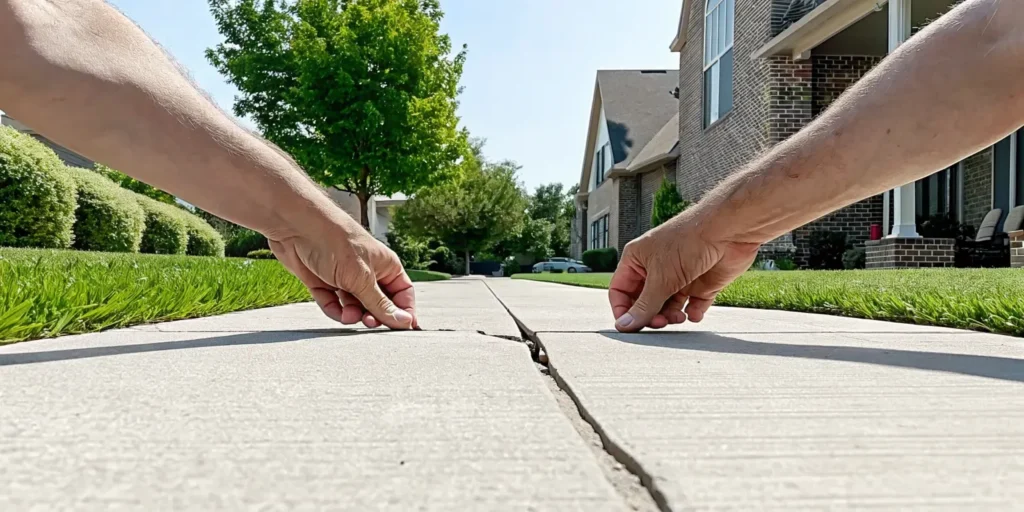
A thin gray line splitting your concrete patio can feel like a major disaster. While some fractures are normal side effects of the drying process, others point to deeper shifting.
Call Today for a Free Quote
The professionals at Solid Base Foundations have been providing expert foundation repair services in the Dallas-Fort Worth area since 1993. Call (940) 365-4221 for your free estimate today!
Why concrete cracks is a plain fact caused by drying shrinkage, weather shifts, and deep soil movement under the slab. As shown by Penn State, drying shrinkage happens when water leaves the wet mix and makes inner stress that causes the slab to split. Also, the expansive clay soil of North Texas swells with heavy rain and shrinks in dry times, putting strong stress on your foundation. While small hairline cracks are a normal part of the drying process, wider gaps show deep shifts that can harm your home’s base. Be sure to seek expert help for these wide gaps to protect your home and keep your concrete driveway or patio safe.
Knowing the real reason behind these slab issues can help you protect your home and avoid costly repairs. To help you find the right fix for your driveway, patio, or garage floor, we will look at the three main reasons why concrete cracks. The path begins with
The Three Main Reasons Why Concrete Cracks
Finding a new crack in your driveway or patio can be stressful. You might worry that your home has a major structural issue. But most concrete cracks fall into a few common groups. To see why concrete cracks, we must look at three main factors. These are shrinkage during curing, thermal changes from weather, and soil movement. By learning how these forces work, you can spot the difference between a minor line and a sign of deeper trouble.
Schedule a free foundation inspection in Dallas
Shrinkage During the Curing Process
When crews pour fresh concrete, the mix contains water, cement, and aggregate. As the concrete cures, it shrinks by about one percent. This happens because water binds to the cement as it gets hard. Experts at UMass Amherst explain this process. They note that curing shrinkage is a main cause of hairline cracks. If the wet mix has too much water, the concrete shrinks even more as it dries. This extra shrinkage creates inner tension, which pulls the concrete apart and leads to thin cracks on the surface.
These curing cracks are often small. They only affect the surface of the slab. They do not threaten the structure of your home. But it is hard to tell a harmless shrinkage line from a major structural break. To learn more, check our guide comparing a concrete crack vs foundation crack.
Weather and Thermal Expansion Stress
Concrete is a rigid solid, but it still reacts to the weather. According to research from Penn State University, concrete expands as it gets hot and contracts as it cools. These thermal changes happen in any concrete structure, no matter how big or small. When the sun beats down on your driveway, the concrete swells. When the air cools at night, the concrete shrinks. This constant movement puts stress on the slab. Over time, the stress forces the concrete to crack to relieve the pressure.
Structural Movement and North Texas Clay Soil
The main cause of deep concrete cracking is soil movement beneath the slab. In North Texas, this is a major factor because our region sits on expansive clay soil. This clay acts like a sponge, swelling up when it is wet and shrinking when it is dry. As the seasons change from wet springs to hot, dry summers, the soil moves all the time. This movement causes the ground under your concrete to shift, rise, and sink. When the soil shrinks and leaves empty space, the heavy concrete slab loses its support. The weight of the concrete then causes it to sag and crack.
To sum up, concrete cracks because of curing, thermal stress, or shifting clay soils. While shrinkage and weather cracks are often minor, soil movement can lead to severe structural damage. If you notice wide or growing cracks in your concrete, it may be a sign of a moving foundation. Keeping the soil moisture steady around your home can help, but some cracks need expert help to fix. Knowing these three causes is the first step to protecting your home.
Shrinkage: The Most Common Cause of Cracking in New Concrete
Do you have a fresh concrete slab or driveway? Seeing new cracks can be stressful, but most of them occur because of simple physics. As wet concrete hardens, it loses volume. This process is called shrinkage, and it is the single most common cause of cracks in new concrete projects. Understanding how this happens helps you know if you are looking at a minor concrete crack vs foundation crack.
The science of wet concrete curing
When concrete cures, it slowly loses water. Water from the wet mix is chemically bound into the solid paste as it hardens. Because of this chemical reaction, the concrete cures and shrinks by about 1% as it first hardens. This volume loss is a normal physical trait of the material. Even an expert builder cannot fully stop concrete from shrinking. This is why even properly installed concrete slabs can develop small, non-structural hairline cracks.
The difference between plastic and drying shrinkage
Shrinkage happens in two main waves. The first wave is plastic shrinkage, which occurs while the concrete is still wet and weak. If surface water dries too fast, the top layer splits. The second wave is drying shrinkage, which occurs after the concrete has hardened. As the rest of the water slowly leaves the slab, this drying shrinkage creates internal tension that pulls the concrete apart. If this tension exceeds the strength of the concrete, a crack will form to relieve the stress.
Why mix design and curing procedures matter
To limit these cracks, builders must manage how fast the concrete dries. One major mistake is adding too much water to the wet concrete mix. While excess water makes the wet concrete easier to pour, it also raises the rate and total amount of shrinkage as it dries. This extra water leaves behind tiny air gaps that weaken the concrete structure. You can control these stresses by using a proper concrete mix design. It is also important to use slow curing methods, such as keeping the slab wet with burlap or plastic sheets. This slow drying process allows the concrete to gain enough strength to resist internal tension.
Weather and Thermal Expansion: How Temperature Stresses Concrete
Weather is a major reason why concrete cracks over time. When the sun beats down on your driveway or porch, the slab gets hot and grows. As the air cools at night, the concrete shrinks back.
These daily and seasonal changes build up pressure inside the slab. Over time, this stress forces the slab to split. Homeowners can find the difference between a surface concrete crack vs foundation crack. This will show if your home has structural damage.
Daily and seasonal temperature swings
Concrete seems solid, but it reacts like a living thing to the local climate. The intense Dallas heat can stress concrete all summer long. According to a study from Penn State University, concrete expands as temperature rises and contracts as it falls.
Penn State reports this expansion scale ranges from 7 to 12 millionths per degree Celsius. Even large structures are not immune to these thermal effects. Whether it is a small patio or a huge building, temperature changes will build internal pressure.
When concrete expands, it needs room to grow. If the slab does not have enough space, it pushes against other slabs. Since concrete cannot bend easily, this pressure causes cracks. Spacing out control joints helps give the slab room to move.
Heat from cement hydration
Thermal pressure does not just come from the sun and local weather. The threat actually begins when workers pour the wet mix. As cement reacts with water to harden, it goes through a chemical process called hydration.
This reaction is exothermic, which means it gives off its own heat. The slab gets hot inside during this early stage. As the outer layers cool down faster than the hot core, the thermal stress pulls on the slab. This thermal stress can create tiny cracks before the slab is fully cured.
How climate affects local concrete
North Texas weather makes these thermal issues much worse than in other areas. Summer heat often pushes temperatures past 100 degrees, which builds severe pressure in your concrete. Our winter cold also brings freeze-thaw cycles that stress concrete.
When water slips into small pores and freezes, it grows in size. This expanding ice puts more stress on the slab. This cycle of heavy heat and cold winters is a key reason why concrete cracks. Protecting your slab from water is a reliable way to keep it strong.
Structural Movement and Expansive Clay Soil: The North Texas Factor
North Texas sits on a special type of soil known as expansive clay, or blackland prairie. This clay acts like a sponge, shrinking when it is dry and swelling when it gets wet. In dry seasons, the soil shrinks away from the concrete slab. During heavy rains, the clay swells and pushes upward against the foundation. This constant shifting creates intense stress, showing a big part of why concrete cracks in the region.
The challenge of expansive clay
This natural movement is a main driver of foundation settlement in North Texas. Homeowners often notice that concrete cracks appear or widen during extreme weather shifts. The ground simply cannot support the slab evenly when the soil beneath is constantly moving. This shifting often leads to uneven lifting or sinking, which damages the concrete.
Soil preparation and load limits
While clay soil is a major factor, human errors during construction also play a role. If builders do not compact the soil properly before pouring, the ground will settle unevenly under the weight of the concrete. This lack of ground work creates empty pockets beneath the slab, leaving the concrete without support. When heavy loads go beyond what the slab can hold, the concrete will crack under the weight.
In some cases, structural shifting can lead to floor deflection, which creates tension at the top of a slab and causes structural cracks. Research from the University of Massachusetts Amherst shows that this bending stress is a key cause of cracks in structural floors. When you combine soil movement with bad ground work or heavy loads, concrete damage is hard to avoid.
The importance of moisture control
Because clay soil reacts so strongly to water, managing moisture around your home is the best way to protect your concrete. If the soil around a slab stays too wet or too dry, the concrete will shift. You can keep the soil stable by using gutters and downspouts to direct rainwater away from the foundation. Proper drainage prevents water from pooling near the concrete, which stops the soil from swelling and cracking the slab.
Consider talking to an expert if you notice large or growing cracks in your concrete. An expert can look at your drainage setup and find the root cause of the movement. Keeping the soil moisture level even is a simple but vital step to keep your concrete flat and strong for years to come.
When Should You Worry About a Concrete Crack?
Seeing a new crack in your concrete slab can cause stress. You may wonder if your home is safe or if you face high repair costs. But not all cracks mean you have a major structural problem. In fact, many small lines are simply a normal part of how concrete behaves over time.
Hairline cracks and normal curing
Most small, hairline cracks are cosmetic rather than structural. When concrete cures, it shrinks by about 1% as water in the mix becomes chemically bound during the hardening process. According to a study by the University of Massachusetts Amherst, this shrinkage is normal and common in properly poured concrete. These small hairline cracks should be narrow and stay the same size. If they do not grow, they rarely threaten the safety of your home.
These curing cracks often appear within the first month after a concrete pour. They are shallow and do not affect the strength of the slab. While they may look bad, they are simple to seal with a flexible filler. It is safe to monitor these small lines without worry, as long as they stay thin and dry.
Indicators of structural damage
Other cracks can signal a deep issue. Be sure to watch for concrete cracks that are wider than a quarter of an inch or keep growing. Other major red flags include cracks that run completely through the foundation or spider-web across your slab. These active cracks show that the soil beneath your home is moving, which puts stress on the structure.
You can track a crack by marking its ends with a pencil. Write the date next to the mark to see if the line grows over the next few weeks. If the crack gets wider, longer, or starts to rise on one side, it is no longer cosmetic. These active changes show a deep structural issue in your foundation.
How cracks affect your home
Structural movement often causes other issues throughout your living space. Sticking doors and windows, or uneven floors, are often signs of foundation problems. When soil shifts, it tilts the slab and warps the framing of your home. If your concrete cracks come with these other issues, they need a professional check.
When a slab settles unevenly, it pulls on the walls and roof above it. This movement creates drywall cracks and gaps around trim. A professional can check the crack depth and suggest the right fix to support your home before the damage spreads.
| Normal Concrete Crack | Structural Crack To Watch |
|---|---|
| Hairline and under a quarter inch wide. | Wider than a quarter inch and growing. |
| Stays the same size over weeks. | Gets wider, longer, or rises on one side. |
| Mostly cosmetic on the surface. | Runs through the foundation or structural concrete. |
| No other signs of movement. | Comes with sticking doors, or uneven floors. |
How Concrete Cracks Are Prevented and Fixed
You can stop many concrete cracks before they start. If a crack does form, you can fix it. Homeowners in the Dallas-Fort Worth area can use simple steps to protect their concrete slabs. A good plan covers both smart setup and fast fixes.
Best practices for prevention
To prevent concrete cracks, builders must start with the right mix. Too much water in the wet concrete makes it weak as it dries. You should also make sure the concrete cures slowly while keeping it wet. This keeps the slab strong.
In North Texas, soil moisture is also vital. You must keep the clay soil around your slab from getting too dry or too wet. Proper watering stops the ground from shifting under your slab.
For larger projects, proper spacing is key. Large concrete slabs need support to stay in one piece. Research shows that large concrete slabs require at least some rebar and evenly spaced contraction joints to limit cracking. These joints act as pre-cut lines that guide movement. If stress builds, the concrete cracks along the joints instead of in random spots. These joints stop random cracks from spreading.
Repairing cosmetic concrete cracks
Some cracks are small and only affect how your concrete looks. You can fix these issues yourself without major tools. Small cosmetic cracks can be sealed with a flexible concrete crack filler. This filler keeps water out of the crack.
Before you apply the filler, clean the crack with a wire brush. Remove all loose dust and dirt. Let the area dry all the way so the seal sticks well.
Professional solutions for structural cracks
If a crack is wider than a quarter of an inch, it may be a structural problem. These deep breaks can run through your entire slab or foundation. Larger structural cracks in foundation concrete need an expert check and structural repair.
For structural foundation cracks, pros often use a special method. Epoxy injection is a common repair method used for certain structural concrete cracks. The epoxy bonds with the concrete to restore its strength. If you are worried about the cost, you can plan ahead. Learning about the foundation crack repair cost can help you make a smart choice.
Schedule a free foundation inspection in Dallas-Fort Worth with our team today.
Frequently Asked Questions
What are the main causes of cracks in concrete?
Concrete cracks due to three main things: drying, weather, and soil movement. As concrete dries, it shrinks and pulls apart. Wet weather and dry spells make the clay soil in North Texas swell and shrink. This movement under the slab causes high stress. Also, outdoor heat makes concrete swell, while cold makes it shrink, which adds more stress to the slab.
Is it normal for new concrete to crack?
Yes, small hairline cracks are a normal part of how concrete cures. As concrete hardens, it dries and shrinks on its own. A study by UMass shows that concrete shrinks by about 1% during this phase. This happens because water in the mix is bound as the slab gets hard. These tiny cracks do not hurt the slab, but wide cracks are a sign of a real problem.
When should I worry about concrete cracks?
Be sure to have a repair expert check your slab if a crack is wider than one-fourth of an inch or is growing. It is key to watch for other signs of structural movement. Look for sticking doors, windows that will not open, or sloped floors. As shown by Solid Base Foundations, cracks that run deep through a foundation show a major issue that needs a quick fix.
How do you fix cracks in concrete?
How you fix a concrete crack depends on the type of damage. You can seal small, shallow cracks with a sealant to keep water out. But large structural cracks in a foundation need a skilled expert. As shown by ProAll, crews often use epoxy injection to mend structural concrete and restore slab strength.
Ready to Protect Your Home from Concrete Cracks?
Ignoring minor cracks in your concrete now can lead to major structural damage later on. As North Texas clay soil dries out and swells with the weather, your slab will shift and sink. Water will seep into the open gaps, which washes away the dirt below and creates hollow spaces. When that happens, your heavy concrete can break, which creates trip hazards and lowers your home value. Finding these issues early prevents small cracks from turning into major damage. It is important to act now before the next big rain makes the damage worse. Our team is ready to help you find the root cause and secure your home.
Ready to schedule a free inspection? Contact Solid Base Foundations to schedule a free foundation inspection and estimate.