
Buying a Dallas-Fort Worth home can feel exciting until a crack, sticking door. Or uneven floor raises a harder question: is this ordinary settling, or evidence of structural movement? North Texas expansive clay soil shrinks and swells as moisture changes, so a careful look beneath the cosmetic details matters before you commit.
A foundation inspection before buying can help you identify visible warning signs, evaluate soil and drainage conditions, and determine whether the home shows normal settlement or damage that warrants professional attention. Schedule it during your option period, while you still have time to review findings and make an informed decision.
This checklist walks you through what to observe during the home tour, which details deserve documentation. And when a standard home inspection should be followed by a focused structural evaluation. Start with the local soil conditions that make foundation movement a meaningful part of the Dallas-area buying process.
Schedule a free foundation inspection and estimate with Solid Base Foundations at (940) 365-4221
Why a Foundation Inspection Before Buying a House in Dallas Matters
Buying a Dallas-area home is exciting, but it can also bring questions that are difficult to answer during a quick showing. A fresh coat of paint may hide hairline cracks, while a level-looking room may not reveal how the slab is performing. A foundation inspection before buying gives you a clearer understanding of the property before you commit to the purchase.
That added perspective matters because the foundation supports the home’s entire structure and plays a central role in its long-term health. Research cited by Pinnacle Foundation Repair estimates that approximately 25% of U.S. homes experience structural issues during their lifetime. That figure does not mean every older home has a failing foundation, but it does show why foundation condition belongs in your due diligence process.
North Texas soil creates a regional concern
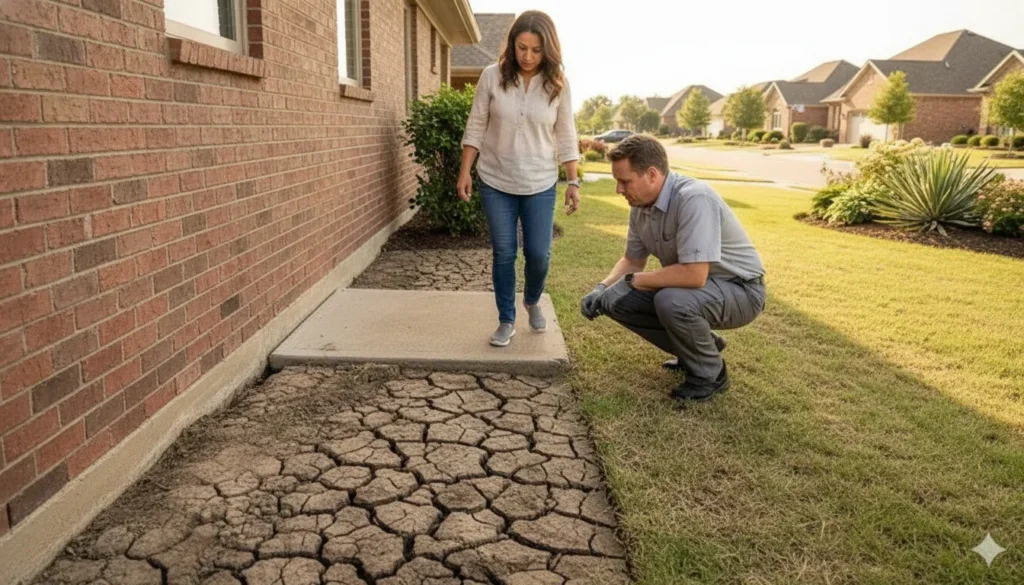
Dallas-Fort Worth has a condition that buyers in other markets may not face to the same degree: expansive clay soil. This soil absorbs moisture, expands, dries, and contracts as weather conditions change. Those repeated moisture fluctuations can contribute to soil movement beneath a home and place stress on the foundation over time.
Learning more about the expansive clay soil impact can help you understand why a foundation that appears acceptable on inspection day may still deserve closer attention. The goal is not to assume that movement means failure. It is to identify whether the home’s condition reflects ordinary settling, active movement, drainage-related stress, or a more significant structural concern.
It can clarify your next decision
A standard home inspection may identify visible foundation concerns, but it may not determine whether those observations require structural intervention. A focused evaluation can examine the soil conditions, slab levelness, and overall structural health with more specialized attention. That information can help you ask better questions, review any available repair records, and make an informed decision during the due diligence period.
Inspection fees vary by property and provider. One national mortgage resource reports an average foundation inspection cost of about $600, with a broad range depending on the scope of the evaluation. Rather than focusing on a generic number, ask what the inspection includes and what documentation you will receive. A clear report can help distinguish normal settling from foundation failure and reduce the risk of overlooking an issue before closing.
Foundation Red Flags to Watch For During Your DFW Home Tour
It is easy to focus on countertops, floor plans, and the size of the backyard during a home tour. Take a few extra minutes to look closely at the structure, too. North Texas homes sit on expansive clay soil that responds to changes in moisture, so movement can show up in several areas of the house. These signs do not automatically prove foundation failure, but they do tell you when a closer evaluation is worthwhile.
As you walk through the property, add these visible details to your notes:
- Stair-step cracks in brickwork. Follow the exterior walls and look for cracks that travel diagonally through the mortar in a stair-step pattern. This pattern can indicate uneven settlement caused by soil movement, particularly when the crack is wider or appears in more than one location.
- Doors or windows that stick. Open and close several interior doors and windows rather than assuming a single tight latch is a hardware issue. Doors that jam, fail to latch, or swing unexpectedly, along with windows that become difficult to operate, can indicate that the frame has shifted out of square.
- Wide or uneven floor cracks. Inspect exposed slab areas, tile, and flooring transitions. A crack wider than 1/8 inch deserves professional attention, especially if one side sits higher than the other. That vertical displacement can point to structural settling rather than a superficial finish problem.
- Gaps between walls and the foundation. Look along the exterior where the wall meets the foundation. Separation can allow moisture, insects, or rodents into the home and may signal movement that warrants further investigation.
- Hairline drywall cracks near frames. Examine the corners above doors and windows. New or recurring hairline cracks in these areas can be an early indication of minor foundation shifting, even when larger cracks are not yet visible.
Photograph each concern and note its location, approximate width, and whether it appears indoors or outdoors. For more context, review these signs of foundation problems in North Texas. A careful tour gives you useful information, but a professional evaluation can help separate ordinary settling from a condition that should affect your purchase decision.
Crack Patterns, Sticking Doors, and Sloping Floors: What Each Sign Tells You
During a home tour, a single crack or sticky door may seem easy to dismiss. In North Texas, however, expansive clay soil responds to changing moisture levels, and that movement can affect different parts of the structure in recognizable ways. Look at the pattern, location, and degree of movement rather than treating every cosmetic mark as the same problem.
Stair-step cracks point to uneven movement
Stair-step cracks running through brick veneer deserve close attention. This pattern can indicate that the foundation has settled unevenly as the soil beneath the home shifts. Check whether the crack widens as it rises, continues across several rows of brick, or appears alongside gaps near windows and doors. Those details give a professional more useful context than the crack alone.
Not every brick crack confirms foundation failure, but a visible stair-step pattern is a reason to request a professional opinion before closing. You can compare it with other signs of foundation problems in North Texas and photograph its location so changes can be tracked.
Doors, windows, and drywall reveal frame movement
Doors that stick, jam, or no longer latch properly may indicate that the house frame has moved out of square. Windows that suddenly resist opening or closing can point to the same type of movement. Test several openings throughout the home, especially near visible exterior cracks, and note whether the issue affects one opening or multiple rooms.
Hairline drywall cracks around door and window corners are often earlier warnings of minor foundation shifting. They can also result from ordinary drywall movement, so context matters. New cracks, repeated repairs, or cracks that extend diagonally from a frame deserve a closer look when paired with sticking openings.
Floor cracks and slopes deserve measurements
Inspect slab floors for cracks wider than 1/8 inch, uneven edges, or noticeable vertical displacement from one side of a crack to the other. These conditions can indicate structural settling and warrant professional inspection. A floor that feels sloped or causes furniture and doors to behave differently across rooms also provides a reason to ask for more than a visual guess.
These signs do not establish the cause or required repair by themselves. A professional evaluation can separate normal settling from movement linked to North Texas soil conditions and identify which observations deserve action before the purchase becomes final.
Check the Soil and Drainage Around the House Before You Commit
In North Texas, the ground around a home can tell you almost as much as the walls and floors inside it. Dallas-Fort Worth sits over expansive clay soil that shrinks and swells as moisture levels change. That movement places repeated stress on the foundation, especially when one side of the house stays wet while another becomes dry. Drainage and moisture control are the single most important factors in preventing foundation movement on expansive clay soils.
During your visit, walk the perimeter and look for signs that water collects near the structure. Check whether the yard slopes away from the foundation or directs runoff toward it. Pay close attention to low spots, eroded soil, muddy areas, and damp ground near one corner of the house. If possible, observe the property during or shortly after a heavy rain. Pooling water or visible runoff toward the foundation can reveal a drainage problem that a dry-weather walkthrough may hide.
Follow the water from the roof to the yard
Inspect the gutters and downspouts rather than assuming they work as intended. Gutters should be clean and securely connected, and each downspout should direct water at least five feet away from the foundation. A short extension that releases water beside the slab can create a concentrated wet area, which may contribute to uneven soil movement over time. Also look for disconnected downspouts, overflowing gutters, or discharge points that wash soil away from the house.
Ask how the property has been maintained through both drought and wet seasons. Consistent soil moisture matters in expansive clay, so a practical watering and drainage plan can help limit sharp changes around the home. Irrigation that saturates one section of the yard, a broken sprinkler head, or prolonged dry conditions beside the foundation can all create an uneven moisture pattern.
For more context, review this guide to the expansive clay soil impact on Texas foundations. If the grading, drainage, or soil moisture pattern raises concerns. Include those observations in your foundation inspection before buying and ask a qualified professional to evaluate the property before you commit.
Structural Inspection vs. a Standard Home Inspection: Know the Difference
A standard home inspection gives you a valuable first look at the property, but it serves a different purpose from a dedicated structural evaluation. During a purchase, that distinction matters. A general inspector may identify cracks, uneven floors, or other concerns and recommend further review. Yet the inspection may not determine whether those signs reflect normal settling or a foundation problem that calls for structural intervention.
That limitation is especially important in Dallas-Fort Worth, where expansive clay soil responds to changing moisture levels. A high-level visual review can flag symptoms, while a professional evaluation investigates the conditions that may be driving movement. If you are planning a professional foundation inspection, use the comparison below to understand what each service can tell you.
| Inspection type | What it typically covers | What it may not answer |
|---|---|---|
| Standard home inspection | Provides a broad overview of visible conditions throughout the home, including apparent cracks, doors that stick, uneven surfaces, drainage observations, and other maintenance concerns. | Whether a foundation issue has caused structural failure, how much the slab has deflected, or which corrective approach is appropriate. |
| Professional structural or foundation inspection | Surveys soil and moisture conditions, checks slab levelness, reviews the structure’s overall health, and uses high-precision equipment such as Ziplevels to map deflection across the home’s footprint. | It does not replace every specialist review. For an independent opinion during a purchase, you may also choose a licensed structural engineer’s report. |
The goal is not to dismiss the standard inspection. It gives you useful context and can help you decide where to focus your due diligence. A structural evaluation adds measurement and interpretation when the foundation itself becomes a concern. An independent structural engineer’s report can provide an objective assessment of the home’s current condition. Which may be valuable when you are negotiating, requesting documentation, or deciding whether to proceed.
Schedule the appropriate review during your option period when possible. Clear information before closing gives you more room to understand the property’s condition and make a confident decision.
Your Step-by-Step Foundation Inspection Checklist Before Closing
Buying a home with foundation concerns can feel overwhelming, especially when a standard inspection leaves important questions unanswered. Use this checklist to organize your review, document what you find, and make a decision based on the home’s actual condition rather than assumptions.
- Schedule a structural inspection during the option period. Arrange a foundation-focused evaluation while you still have time to review the findings and negotiate, request repairs, or reconsider the purchase. Ideally, complete this step before signing the final purchase agreement. A standard home inspection can identify visible concerns, but it may not determine whether movement requires structural attention. Starting early protects your due-diligence window and gives you useful information before closing.
- Tour the interior and exterior for red flags. Walk through every room and examine the outside walls, brick veneer, windows, doors, floors, and areas where walls meet the foundation. Look for stair-step cracks in brick, doors that stick or fail to latch, and cracks in slab floors. Pay attention to new drywall cracks around door and window frames as well. One sign does not automatically confirm foundation failure, but a pattern of related symptoms deserves professional review. Take clear photographs and note each location so you can compare the findings with the inspection report.
- Inspect the soil and drainage around the perimeter. In North Texas, expansive clay soil responds to moisture changes, so water management matters. Check for standing water, soil that slopes toward the house, eroded areas, and uneven moisture around the foundation. Examine gutters and downspouts, confirming that downspouts direct water at least five feet away from the foundation. If possible, observe the property during or shortly after heavy rain, when pooling and runoff problems may become easier to see.
- Request the seller’s foundation records. Ask for documentation of previous foundation repairs, engineer’s reports, permits, invoices, and transferable warranties. Review what work was completed, when it occurred, and whether the warranty transfers to you. Missing records do not prove that a problem exists, but they leave an important part of the home’s history unanswered. Keep every document with your inspection notes.
- Get a professional structural evaluation. Ask the evaluator to distinguish normal settling from active or structural damage. A thorough assessment may consider soil conditions, moisture balance, slab levelness, and the structure’s overall condition. For more context on the process, review these steps when buying a house with foundation problems.
- Decide before closing with full information. Compare the inspection results, repair history, warranty terms, seller disclosures, and your contract deadlines. Foundation movement can sometimes be stabilized, while ignoring warning signs may allow damage to progress. Make your decision while your due-diligence options remain available, and request professional guidance when the evidence is unclear.
Schedule a free foundation inspection before buying with Solid Base Foundations at (940) 365-4221
Frequently Asked Questions
Is a foundation inspection worth it before buying a Dallas home?
Yes. A dedicated evaluation can distinguish normal settling from foundation failure, helping you make an informed decision before closing. In North Texas, expansive clay soil changes with moisture, so a home that looks sound during a tour can still show movement-related concerns.
Can a standard home inspection identify foundation problems?
A standard inspection may document visible cracks, sloping floors, or sticking doors, but it may not determine whether the condition requires structural intervention. A foundation specialist can evaluate soil conditions, slab levelness, and overall structural movement with more specialized equipment.
When should a buyer schedule the inspection?
Schedule it during the option or due diligence period, while you still have time to review the findings and discuss appropriate next steps. Ask the seller for documentation of previous foundation work, including engineering reports and transferable warranties, then give those records to the inspector.
How much does a foundation inspection cost?
Inspection fees vary by property, scope, and provider. Rocket Mortgage reports an average of about $600, with a cited range of $300 to $3,000. Its foundation inspection guide provides that general benchmark, but request the provider’s current fee before scheduling.
What happens if the inspection finds a problem?
Do not assume every crack means the purchase should end. Ask the inspector to explain the cause, severity, and recommended follow-up. An independent structural engineer’s report can provide an objective assessment, while a repair professional can explain available solutions and whether drainage or moisture changes are contributing to movement.
Ready to schedule a free foundation inspection?
Buying a home in Dallas can feel overwhelming, especially when foundation concerns are difficult to judge during a busy tour. A professional inspection can help you understand what you are seeing before you make a decision.
Schedule a free foundation inspection and estimate with Solid Base Foundations at (940) 365-4221