
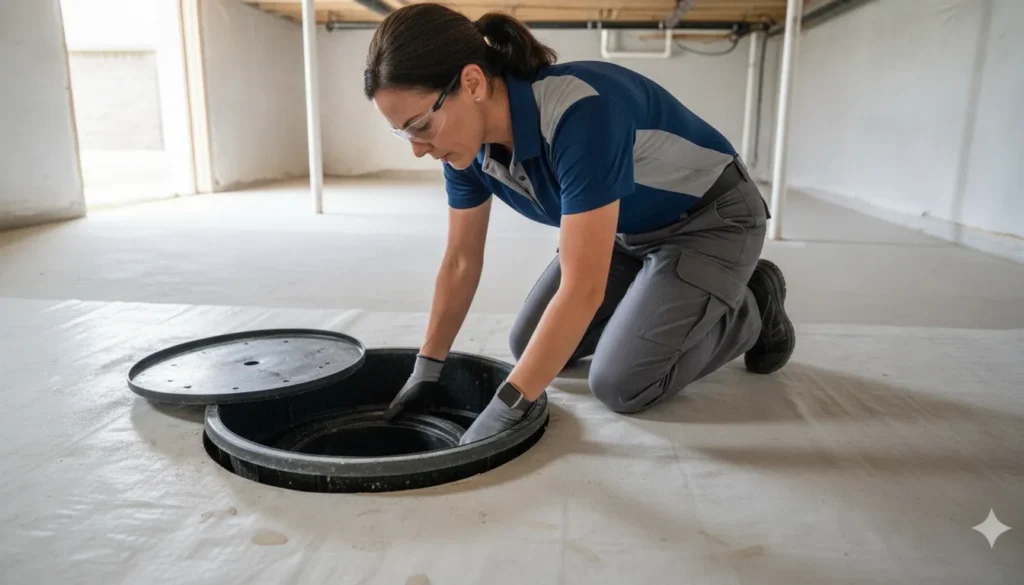
Water around your foundation can feel like a warning sign, especially after a heavy North Texas storm. In the Dallas-Fort Worth area, expansive clay soil already shrinks and swells as moisture conditions change, so persistent water intrusion deserves more than a quick cleanup. A properly planned drainage system can help direct that water away from the structure.
A sump pump removes water that collects in a basin before it can contribute to moisture problems around your foundation. It can be especially useful for pier-and-beam homes with crawl spaces, where excess moisture can contribute to soil instability and wood rot. Whether your home benefits from one depends on its drainage layout, foundation type, and history of water intrusion.
The right decision starts with understanding where water collects and how your foundation responds to it. That assessment helps separate a practical drainage improvement from a solution that cannot address the underlying source of moisture.
Schedule a free foundation inspection with Solid Base Foundations, or call (940) 365-4221 today to find out whether a sump pump is right for your home.
Do You Need a Sump Pump for Your Foundation?
Seeing water collect near your foundation can make every crack, damp spot, or musty smell feel urgent. A sump pump can provide an important layer of protection, but it is not automatically the right solution for every North Texas home. The decision depends on where water is entering, how often it collects, the foundation design, and whether the surrounding drainage system moves water away effectively.
A sump pump removes water that accumulates in a sump basin before it can damage the foundation or basement area. When the water level rises, the pump sends that water through a discharge line to a suitable location outside the home. This approach can help manage recurring water intrusion, especially when gravity drainage alone cannot keep up. The basic definition and function are documented by the Wikipedia overview of sump pumps, although proper installation still requires attention to your home’s layout and drainage conditions.
When a sump pump may make sense
Consider a sump pump when heavy rain repeatedly overwhelms the area around your foundation, groundwater enters a basement or crawl space, or a low point naturally collects water. It can also support moisture control beneath a pier-and-beam home, where persistent dampness may contribute to soil instability and wood rot. In that setting, a pump works as part of a broader moisture-management plan rather than as a stand-alone repair.
North Texas expansive clay adds another reason to take water patterns seriously. This soil shrinks and swells as moisture levels change, placing ongoing movement around foundations. A pump may help control collected water, but it cannot correct every drainage or structural issue. If water continues to return, inspect grading, gutters, downspouts, subsurface drainage, and the foundation itself. A professional assessment can identify whether the priority is water removal, drainage improvement, waterproofing, or structural repair.
For homeowners, the reassuring answer is that a sump pump is a practical tool, not a sign that foundation damage is inevitable. Matching the system to the source and route of the water gives your home a more dependable plan for managing moisture.
What a Sump Pump Does to Protect Your Home
Water concerns can feel urgent, especially when you notice damp soil, standing water, or a musty odor near your foundation. A sump pump gives that water a controlled exit route instead of allowing it to collect where it can contribute to ongoing moisture problems.
In simple terms, a sump pump is a mechanical pump that removes water from a sump basin, a collection pit installed at a home’s lowest practical point. When groundwater or seepage raises the water level in the basin, a float switch or sensor activates the pump. The pump then pushes the water through a discharge pipe and releases it in a suitable area away from the home. This basic process is the foundation of how sump pumps work.
How the basin and pump work together
The basin collects water before it spreads across the floor or remains against the foundation. As the water rises, the pump starts automatically, lifts the water through the discharge line, and sends it away from the structure. The outlet should direct water to a well-drained area that slopes away from the home. If discharge water falls too close to the foundation, it can flow back toward the drainage system and repeat the problem.
This system manages groundwater rather than correcting every possible source of moisture. It also helps relieve hydrostatic pressure, the force water exerts against foundation surfaces as it accumulates in surrounding soil. In North Texas, expansive clay soil responds to changes in moisture by shrinking and swelling. Reliable drainage can help limit the conditions that place additional stress on a foundation. Although it does not replace a complete evaluation when cracks, movement, or recurring water intrusion appear.
The concept is not new. Sump pump technology became widely available to modern homeowners in the late 1940s, according to Family Handyman. Today, the same principle remains practical: collect water at the lowest point, activate the pump as the level rises, and move that water safely away from the home.
Groundwater and Hydrostatic Pressure on North Texas Foundations
Water around your foundation can create concern even when you do not see a major crack or obvious structural movement. In North Texas, seasonal rainfall can saturate the soil around a home, while expansive clay holds moisture and changes volume as conditions shift. That combination makes drainage an important part of protecting the foundation, not simply a way to keep a basement dry.
As groundwater rises, it presses against foundation walls and under-slab areas. This force is called hydrostatic pressure. When water has no reliable path away from the structure, pressure can encourage seepage through joints, cracks, or other weak points. It can also keep surrounding soil saturated, increasing the chance of recurring moisture problems after the next substantial rain.
Moisture problems do not always mean structural failure
The University of Minnesota Extension notes that even structurally sound basements can experience moisture problems when subsurface drainage is missing or no longer functioning. That distinction matters. Water intrusion may point to a drainage-system problem, a waterproofing gap, or a foundation condition that deserves professional evaluation. A foundation drainage assessment can help identify where water is collecting and how it is moving.
A sump pump can help when collected groundwater needs a controlled route out of a basin or drainage system. The pump does not repair a damaged foundation or replace every drainage measure. Instead, it supports a broader water-management plan by moving accumulated water away before it continues pressing against the structure. Proper discharge placement matters as well. If pumped water returns too close to the home, it can recycle into the surrounding drainage system.
For homes with crawl spaces, especially pier-and-beam construction, persistent moisture can also affect the soil and wood beneath the structure. Addressing groundwater early helps you separate a manageable drainage concern from a developing foundation problem.
Sump Pumps for Slab vs. Pier and Beam Foundations
If water is collecting beneath or around your home, it is understandable to worry about what you cannot see. The right sump pump setup depends partly on how your foundation transfers loads and where water gathers. A slab foundation places the home on or near a continuous concrete base. A pier and beam foundation leaves a crawl space beneath the structure, where standing water can affect soil and wood framing directly.
In either case, a sump pump is only one part of moisture control. It removes water from a basin, while grading, drainage, waterproofing, and foundation inspections address how water reaches the structure in the first place.
| Foundation type | Where water collects | What the sump pump does | Related concern |
|---|---|---|---|
| Slab | Around or below the concrete foundation | Moves collected groundwater away from the foundation drainage system | Moisture can contribute to soil movement or persist when subsurface drainage is missing or no longer functioning |
| Pier and beam | Inside the crawl space, often in a low area or basin | Removes groundwater before it remains beneath the floor framing | Excess moisture can contribute to soil instability and wood rot beneath the structure |
Slab foundations
With a slab home, water may collect around the perimeter or below the concrete. A basin and sump pump can support a broader drainage design by removing water before it continues to build up. The pump does not correct expansive clay movement or a damaged foundation by itself. It helps manage one contributing condition: unwanted water near the structure.
Pier and beam foundations
Pier and beam homes require closer attention to crawl space moisture because the space contains wood framing and soil beneath the home. Solid Base Foundations identifies sump pumps as a critical component for crawl spaces prone to water intrusion. Excessive moisture can contribute to soil instability and wood rot, so a basin positioned in a low area may help protect the structure when groundwater enters.
If you own a raised home, an evaluation from a contractor experienced in pier and beam foundation repair can distinguish a pump question from a broader drainage or structural concern.
Why Expansive Clay Soil Makes a Sump Pump Matter
If your North Texas home shows signs of moisture around the foundation, the concern is understandable. Water does more than create a damp space. It interacts with the soil that supports your home, especially across the blackland prairie region.
Expansive clay soil shrinks when it loses moisture and swells when it absorbs it. Those repeated changes can move soil around the foundation and contribute to uneven support. Heavy rain, groundwater, or standing water can add another variable by keeping the soil saturated in areas that should drain more effectively. A sump pump helps by collecting water at a low point and moving it away from the foundation before it continues to build up.
That makes a sump pump one part of a larger water-management plan, not a standalone answer to every foundation concern. The system must work with grading, gutters, drainage paths, and other measures that direct water away from the structure. The University of Minnesota Extension notes that moisture problems can occur even when a home is structurally sound. Particularly when subsurface drainage is missing or no longer functions properly. Explore these foundation drainage solutions when water repeatedly collects near your home.
Moisture control also matters beneath pier and beam homes. Persistent water in a crawl space can contribute to soil instability and wood rot, affecting the supports beneath the structure. In that setting, a sump pump may work alongside encapsulation, grading, and other measures that keep the crawl space drier. If water is entering through walls or below-grade areas, foundation waterproofing services may address a different part of the problem.
Consider a sump pump when water collects consistently, drainage improvements have not solved the issue, or your home has a crawl space vulnerable to moisture. A professional evaluation can identify where water is coming from and whether pumping, drainage, waterproofing, or a combination makes sense for your foundation.
How to Decide if Your Foundation Needs a Sump Pump
Water around your foundation can feel unsettling, especially when the same area repeatedly becomes damp after storms. In North Texas, expansive clay soil responds to moisture changes, so recurring water intrusion deserves more than a temporary cleanup. A sump pump may help manage water, but the right decision starts with identifying where the moisture comes from and how consistently it affects your home.
- Look for repeated pooling near the foundation. Walk the perimeter after heavy rain and check for standing water beside the home, saturated soil, or water flowing toward the foundation instead of away from it. Repeated pooling suggests the property’s grading or drainage system may be sending more water toward the structure than the soil can carry away.
- Inspect the crawl space or lowest level for moisture clues. A musty odor, damp soil, condensation, water marks, or visible puddles can indicate that moisture is collecting below the home. This matters particularly for pier-and-beam construction, where prolonged moisture can contribute to soil instability and wood rot beneath the structure.
- Consider the groundwater pattern. A high water table, seasonal groundwater, or a history of water intrusion can make a sump basin and pump a practical part of a broader drainage plan. If water appears even when surface runoff is controlled, have the source evaluated rather than assuming a pump alone will solve it.
- Check how discharge water will leave the property. A pump only helps when it moves water to a suitable destination. North Dakota State University Extension advises routing discharge several feet away from the house to a well-drained area that slopes away from the foundation. If the outlet sits too close to the home or on flat ground, water can recycle through the foundation drain system. Review NDSU Extension’s flood and water-damage guidance for this placement principle.
- Request a foundation and drainage evaluation. When pooling, crawl-space dampness, a high water table, or past intrusion overlap, a professional can determine whether a sump pump fits the home’s drainage design. Solid Base Foundations can assess the conditions and outline an appropriate next step through a free estimate, without guessing from symptoms alone.
Sump Pump Maintenance and Placement Tips
Water collecting near your foundation can feel like a problem that never fully goes away, especially after heavy North Texas storms. A properly maintained sump pump gives that water a controlled exit, but the system only protects your home when the pump, pit, and discharge line work together.
Start with a simple inspection before the next major rain event. North Dakota State University Extension recommends cleaning the sump pump and pit, then testing the pump by pouring water into the pit. The float should rise, the pump should activate, and water should move through the discharge line without unusual noise or hesitation. If the pump does not start, disconnects repeatedly, or leaves standing water behind, arrange an evaluation rather than waiting for the next storm.
- Keep the pit clear. Remove dirt, gravel, and debris that could clog the pump or interfere with the float switch.
- Test the system periodically. Pour water into the pit and confirm that the pump starts and shuts off normally.
- Inspect the discharge line. Check for kinks, loose connections, ice, or obstructions that could restrict flow.
- Send water away from the foundation. NDSU Extension advises directing the discharge several feet from the house to a well-drained area that slopes away from the foundation. A hose outlet placed too close to the wall or on flat ground can allow water to recycle through the drain system.
- Review the installation. One incorrectly installed sump pump can add up to 7,200 gallons of clear water per day to a wastewater system unnecessarily, according to Mad Sewer.
Good placement complements other moisture-control measures. If water continues to reach the wall or crawl space, review your foundation wall waterproofing approach along with grading and drainage. A sump pump manages collected water, but it cannot correct every source of intrusion or protect a foundation when discharge water returns to the soil beside the home.
Not sure whether your foundation needs a sump pump? Reach a foundation expert at Solid Base Foundations at (940) 365-4221 and schedule a free inspection today.
Frequently Asked Questions
What signs suggest your home may benefit from a sump pump?
Recurring water in a crawl space or basement, damp soil beneath a pier-and-beam home, or moisture that returns after heavy rain can signal a drainage problem. A sump pump can collect and move accumulating water, but it does not correct every foundation or drainage issue. Have the water source, discharge path, and surrounding soil evaluated before selecting a solution.
Do pier-and-beam homes use sump pumps differently than slab foundations?
They can. In a pier-and-beam home, excess crawl-space moisture can contribute to soil instability and wood rot beneath the structure. A sump pump may form part of a broader moisture-control plan, alongside proper drainage and crawl-space protection. Slab foundations may also use sump systems where groundwater or subsurface drainage moves water toward a collection basin.
How can you test a sump pump before severe weather?
Clean the pump and pit, then pour water into the pit to confirm that the float switch activates the motor and that water leaves through the discharge line. North Dakota State University Extension recommends checking and testing the pump as part of flood and water-damage preparation: NDSU Extension guidance.
Where should a sump pump discharge water?
The discharge hose should carry water several feet away from the home to a well-drained area that slopes away from the foundation. If the outlet sits too close to the foundation or on flat ground, water can flow back toward the drain system instead of leaving the property, according to NDSU Extension.
Ready to Schedule a Free Foundation Inspection?
Water concerns around your foundation can be easier to address when you understand where moisture is entering and how your drainage system is performing. A professional inspection can help you choose the right next step for your home, whether you have a slab or pier-and-beam foundation.
Schedule a free foundation inspection with Solid Base Foundations, or call (940) 365-4221.