
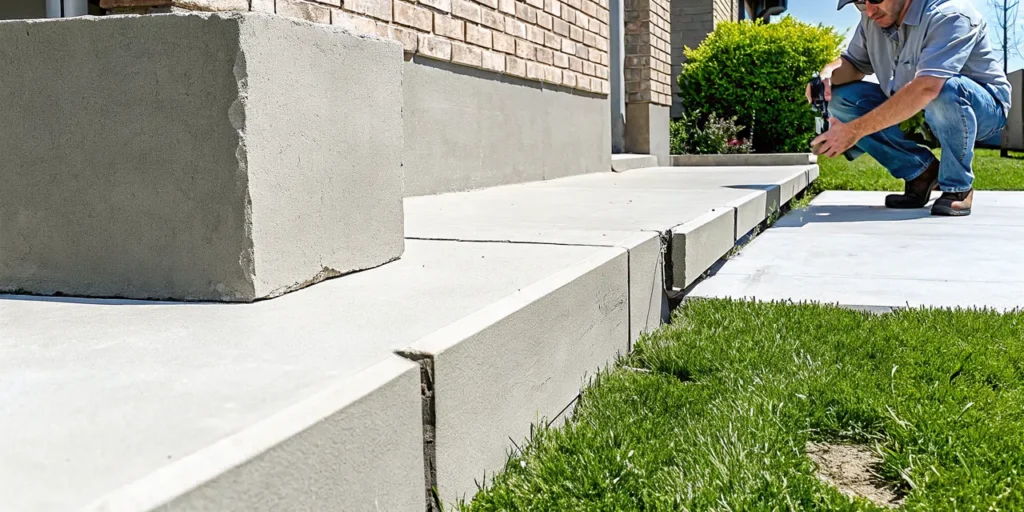
If you are buying a home or noticing cracks, sticking doors, or uneven floors, it is understandable to wonder whether a foundation concern justifies another inspection. In North Texas, expansive clay soil shrinks and swells as moisture changes, so a careful evaluation can help separate normal settling from active structural movement.
Call Today for a Free Quote
The professionals at Solid Base Foundations have been providing expert foundation inspection services in the Dallas-Fort Worth area since 1993. Call (940) 365-4221 for your free estimate today!
For most homeowners, foundation inspection cost falls around $300 to $800 for a standard independent inspection, with a national average near $600. A structural engineer’s inspection and report may add roughly $500 to $1,500 when the findings call for a deeper assessment.
The price matters, but the scope matters just as much. A professional inspection should give you clear observations and a written basis for deciding what to monitor, address, or investigate further. Here is what that process typically covers.
What a Professional Foundation Inspection Covers
If cracks, sloping floors, or sticking doors have you worried, a thorough inspection gives you a clearer picture of what is happening beneath your home. In North Texas, expansive clay soil can shrink and swell as moisture levels change, so the goal is to distinguish ordinary movement from signs of active foundation trouble.
A professional evaluation generally includes both interior and exterior areas of the foundation. You can learn more about what to expect during a foundation inspection before the appointment.
Interior and exterior foundation components
Inside the home, the inspector looks for visible indicators of movement, including cracks and changes in floor level. Outside, the evaluation follows the foundation perimeter and examines accessible structural components. The inspector may assess foundation walls, piers, and footings for cracking, shifting, or water damage. These observations help establish whether the pattern appears consistent with normal settling or warrants deeper structural review.
Slab, moisture, and drainage conditions
For homes built on a concrete slab, the inspector performs a visual examination for cracks, erosion, and other visible damage. The inspection also considers moisture conditions around the structure. Poor drainage, standing water, and concentrated runoff can change the moisture balance in the soil next to the foundation. That context matters in the Dallas-Fort Worth area, where clay soil behavior can affect how the structure responds over time.
Documentation and next steps
A typical inspection takes about two to four hours, depending on the property’s size and complexity. The professional then provides a written report detailing the findings, observed concerns, and areas that may require monitoring or additional evaluation. If significant structural issues appear, a licensed structural engineer may be brought in to provide an objective assessment or certified report. This additional review can clarify the seriousness of the movement and help guide the next decision without relying on guesswork.
How Much Does a Foundation Inspection Cost in Dallas-Fort Worth?
When your floors feel uneven or cracks appear, the price of an inspection is only one part of the decision. You also want to know what the visit covers, who prepares the findings, and whether the assessment answers your specific concern. In Dallas-Fort Worth, a standard independent foundation inspection typically costs $300-$800. One national source places the average near $600, although prices can vary by property and scope. See how foundation inspections support home evaluations.
| Assessment type | Typical cost | What it includes |
|---|---|---|
| Standard foundation inspection. | $300-$800. | Visual interior and exterior review with a written report. |
| Structural engineer inspection. | $500-$1,500 or more. | Measurements and a certified engineering report when a deeper structural opinion is appropriate. |
| Solid Base Foundations free estimate. | $0. | On-site visit and repair-focused assessment for homeowners across the DFW service area. |
A structural engineer may become appropriate when an initial inspection identifies movement or other significant concerns. An engineer’s report adds a separate professional evaluation and documentation, with reported costs often ranging from $500 to $1,500 or more. The right choice depends on the question you are trying to answer, not simply the lowest initial price.
What changes the inspection price?
Inspectors commonly adjust pricing based on the home’s size, how easily they can access the foundation, their qualifications, and the property’s location. A larger home or restricted crawl space can require more time and careful documentation. Ask what the quoted service includes before scheduling, including the inspection area, report format, and any additional engineering review.
North Texas adds an important local consideration. Expansive clay soil across the region shrinks and swells as moisture conditions change, which can contribute to both ordinary settling and foundation movement. A professional assessment helps place visible symptoms in that context instead of treating every crack as the same problem. Solid Base Foundations provides a free, on-site estimate focused on understanding your property’s condition and possible next steps, without quoting repair costs before the situation has been evaluated.
Why an Inspection Matters Before You Buy a Home in North Texas
Buying a home is exciting, but uncertainty about the foundation can make every showing, offer, and inspection deadline feel heavier. A dedicated foundation inspection gives you a clearer picture before you commit. It can reveal concerns that deserve further review, help you distinguish cosmetic settling from active movement, and give you useful information while your options remain open.
That context matters in North Texas. The region’s expansive clay soil shrinks and swells as moisture conditions change. Those movements can contribute to ordinary settling, but they can also play a role in structural damage. Because the same soil behavior can produce similar-looking symptoms, a wall crack, sticking door, or uneven floor deserves more than a quick glance. A professional assessment can help determine whether the observation fits normal settling or points toward a more significant concern.
Use the due-diligence period to reduce surprises
An inspection report turns a vague concern into documented information. If the findings identify potential foundation issues, you can discuss the report with your real estate agent and decide how to proceed. Depending on the purchase agreement and local transaction rules, buyers may negotiate a price adjustment, request credits, ask for additional evaluation, or reconsider the transaction. Inspection findings can therefore support a more informed decision instead of leaving you to discover a problem after closing. This due-diligence value is one reason foundation inspections are recommended during the home-buying process, especially when visible signs already exist.
Approach the report as a decision-making tool, not a reason to panic. Some findings may call for monitoring or a second opinion, while others may justify a more detailed structural review. An objective assessment gives you a stronger position in either conversation. It can also help you ask the seller focused questions about past movement, drainage, repairs, or other conditions that may affect the property.
Make your next step more informed
Before scheduling an inspection, review this complete home foundation inspection guide so you know what the process can cover. Bring the report to your agent and keep the contract timeline in view. With clear information, you can weigh the home’s condition alongside its location, layout, and long-term fit, rather than making a major decision based on appearances alone.
Professional Foundation Inspection vs. DIY Checks
Noticing a new crack or a door that suddenly sticks can be unsettling, especially in North Texas, where expansive clay soil shrinks and swells as moisture conditions change. A careful walk-through helps you spot changes early, but it cannot tell you whether your home is experiencing ordinary settling or active structural movement. That distinction is where professional judgment matters.
What You Can Check Yourself
Start by looking for patterns rather than treating one minor imperfection as proof of damage. Walk through each room and note cracks around doorways, along drywall, or near windows. Check whether interior doors close differently than they did before, and look for uneven floors or visible gaps around window frames. Outside, scan the foundation, brick, and grade around the home for changes that appear to be worsening.
Take dated photos from the same angle and record whether a door sticks only during a particular season. This simple record can help you and an inspector compare movement over time. It also gives you a practical way to monitor early signs of foundation problems without jumping to conclusions.
DIY checks work best as an early-warning system. They do not measure movement, confirm the condition of piers or footings, or establish whether a crack is cosmetic, soil-related, or structurally significant.
What a Professional Adds
A general home inspection typically includes the foundation, but a specialized foundation inspection may be appropriate when visible concerns raise additional questions. A qualified professional examines the interior and exterior, considers the relationship between symptoms and site conditions, and uses tools and training that go beyond a visual homeowner check.
Most importantly, the inspector evaluates whether settlement remains within acceptable thresholds or indicates active movement. In a region shaped by expansive clay, that context prevents two common mistakes: dismissing a developing problem as normal settling or assuming every crack requires immediate repair.
You also receive a comprehensive written report that documents observations and helps determine the next step. If the findings suggest a serious structural concern, an engineer may provide a separate objective assessment. Early monitoring can cost a few hundred dollars. While ignoring a developing issue for a year or two can result in a $10,000-plus repair, according to inspection guidance from Trinity Inspections. That contrast makes timely evaluation a practical risk-management decision, not a reason to panic.
When Should You Schedule a Foundation Inspection?
If your home shows a change that feels small but unfamiliar, it is reasonable to take it seriously. In North Texas, expansive clay soil shrinks during dry periods and swells when moisture returns. That movement can produce ordinary settling, but it can also reveal a developing structural concern. An inspection gives you a clearer starting point instead of leaving you to interpret each symptom alone.
Consider scheduling an inspection in these situations:
- Before buying or selling a home. Add a foundation review to your due diligence before committing to a property, especially when the home sits on the expansive clay common across the Dallas-Fort Worth area. Buyers can use documented findings to ask informed questions, while sellers can address concerns before they complicate a transaction. An inspection is also worthwhile when a general home inspection mentions movement but does not explain its significance.
- When you notice visible or functional changes. Wall cracks, doors that suddenly stick, and floors that feel uneven can indicate that the structure is responding to soil movement. These signs do not automatically mean major damage, but they deserve context. Interior wall cracks can alert you to possible structural movement, according to foundation inspection guidance. Pay attention to whether a symptom spreads, returns, or appears alongside other changes.
- After a drought followed by heavy rain. A long dry stretch can cause North Texas clay to contract around the foundation. Heavy rainfall then adds moisture and may cause the soil to expand. That repeated shrink-and-swell cycle can change pressure around the slab or piers. Scheduling an evaluation after a pronounced weather cycle helps establish whether new movement reflects temporary soil response or a condition that warrants closer monitoring.
- As routine monitoring for an older home. Older homes on expansive clay soil benefit from periodic attention even when no dramatic symptom has appeared. A baseline inspection can help you recognize changes over time and separate normal settling from movement that calls for professional review. Keep inspection reports and photographs together so you can compare conditions after future droughts, heavy rain, or remodeling work.
You do not have to wait for a large crack or a visibly uneven floor. When several minor clues appear together, or when your home’s condition changes after North Texas weather extremes, an inspection can replace uncertainty with a practical next step.
What to Do With Your Inspection Results
Seeing concerning language in an inspection report can leave you unsure whether you are looking at routine settling or a problem that could affect your home. In North Texas, expansive clay soil naturally shrinks and swells as moisture levels change, so some movement does not automatically mean your foundation has failed. The next step is to understand what the findings show and choose a response that matches the level of risk.
Separate normal settling from structural movement
Start by reviewing the report for clear descriptions of location, severity, and change over time. Minor, stable signs may support a monitoring plan, especially when the inspector finds no evidence of active movement or related damage. Keep the report, photograph visible cracks, and note changes in doors, floors, drainage, or wall openings. A follow-up inspection can help establish whether conditions remain stable.
More significant findings deserve closer attention. Patterns of movement across multiple areas, worsening cracks, separation, uneven floors, or signs of water-related soil change can point beyond ordinary settling. Ask the inspector to explain which observations support the conclusion rather than relying on a single dramatic-looking crack.
Know when an engineer’s report adds value
A certified structural engineer can provide an objective assessment when the inspection identifies severe or unclear concerns. The engineer may determine whether movement affects the structure, document the condition for a purchase or repair decision, and outline what further evaluation makes sense. This extra opinion is particularly valuable when you are buying a home, resolving a disagreement between reports, or considering substantial structural work.
Choose monitoring or repair based on evidence
Monitoring is a legitimate plan for minor issues when a qualified professional recommends it. Set a review date instead of simply putting the report away. If the condition changes, schedule a focused evaluation promptly. Early attention can help you address a developing issue before it becomes more disruptive.
When the report supports active foundation movement, connect with a DFW specialist for an on-site evaluation. A professional can review the findings, assess the property in person, and explain appropriate repair options without guessing from a document alone. For related planning information, see our guide to Dallas foundation repair costs, then request a free estimate based on your home’s actual conditions.
Frequently Asked Questions
How much does a foundation inspection cost?
The foundation inspection cost usually falls between $300 and $800 for a standard independent evaluation, depending on the home’s size and complexity. A broader national range reaches about $3,000, with an average near $600, according to Rocket Mortgage. Ask what the quoted service includes before scheduling, especially if you are buying a home in North Texas where expansive clay can contribute to movement.
What is included in a foundation inspection?
A professional evaluation typically examines the foundation from inside and outside, including visible cracks. It also covers the concrete slab, walls, piers, footings, drainage conditions, and signs of shifting or water damage. The inspector then documents the findings in a written report and helps distinguish normal settling from movement that deserves closer attention.
Does a home inspection cover the foundation?
A general home inspection usually includes a visual review of the foundation, but it may not provide the detailed structural analysis you want. Recurring cracks, sticking doors, uneven floors, or other warning signs are the moments to consider a specialized foundation inspection.
Is it worth paying for a structural engineer?
An engineer can be worthwhile when the inspection reveals significant structural concerns. An objective assessment is also valuable when a certified report is required for a transaction or repair decision. An engineer’s inspection or report often adds $500 to $1,500 or more, depending on the scope, according to Wini.
What factors influence the inspection price?
Property size, site access, location, inspector qualifications, and the level of reporting all affect the price. Costs can also rise when the inspector recommends a structural engineer or additional evaluation. Request an itemized quote so you can compare the scope of each inspection rather than comparing prices alone.
Ready to Review Your Foundation Inspection Results?
If your inspection raises questions about settling, cracks, or movement, a professional review can help you understand what the findings mean for your North Texas home. Solid Base Foundations can discuss your concerns and outline an appropriate next step without adding pressure. Call Solid Base Foundations at (940) 365-4221 for a free estimate and clear guidance.