

A warm patch on the floor, a water bill that suddenly climbs, or water pressure that fades without explanation can signal more than a routine plumbing concern. For a Dallas-area homeowner, an unseen leak beneath the home can also change the soil supporting the foundation.
Call Today for a Free Quote
The professionals at Solid Base Foundations have been providing expert foundation repair services in the Dallas-Fort Worth area since 1993. Call (940) 365-4221 for your free estimate today!
Request a free foundation assessment today and find out whether a hidden leak is behind your concerns.
A slab leak is a domestic water line leaking beneath your home’s foundation. In North Texas, that added moisture can collect in one area and cause expansive clay soil to swell unevenly, increasing the risk of foundation movement.
Expansive clay naturally changes volume as its moisture level rises and falls, so localized saturation deserves prompt attention even before cracks or sticking doors appear. Understanding where the leak occurs and why this regional soil responds so strongly provides the context for recognizing early warning signs. Solid Base Foundations serves homeowners across the Dallas-Fort Worth Metroplex service area.
What Is a Slab Leak and Why Does It Matter in North Texas?
A slab leak occurs when a water supply or drain line beneath your home’s concrete foundation slab develops a leak. Because the pipe sits below the finished floor, the water may remain hidden while it collects in the soil under the home. You may not see a plumbing failure right away, but the added moisture can affect the ground supporting your foundation.
That distinction matters in the Dallas-Fort Worth area. A slab leak is not only a plumbing concern. It can also change the moisture conditions beneath one part of your foundation and create movement that deserves prompt attention. To understand the broader pattern, it helps to review what typically causes foundation problems in North Texas homes.
How expansive clay soil changes the risk
North Texas contains expansive clay soil, which changes volume as its moisture content fluctuates. Research on clay-rich foundation soils notes that swelling and shrinking, rather than excessive building weight alone, contribute to many foundation problems. You can learn more about the local conditions in this guide to clay soil in the DFW area.
Under normal conditions, the soil’s moisture level may remain stable enough to support the slab consistently. A leak introduces water in a concentrated pocket instead of distributing moisture evenly across the surrounding ground. That localized saturation can accelerate expansion directly beneath one area of the foundation, creating an uneven support condition.
This is why the location of the leak matters as much as the amount of water. When one section of clay expands more than adjacent soil, the slab may experience localized upward pressure, known as heaving. The resulting movement can contribute to uneven floors or other signs of foundation distress. A professional assessment can help separate a plumbing problem from unrelated settling or movement and identify the appropriate next step.
Early Warning Signs of a Slab Leak to Watch For
A leak beneath your foundation may begin quietly, especially when water spreads through the soil before it reaches a visible surface. In North Texas, that added moisture matters because expansive clay changes volume as its moisture level shifts. Watch for patterns rather than waiting for severe cracking or obvious water damage.
Six clues that deserve prompt attention
- An unexplained increase in your water bill. If your household’s water use has not changed but the bill rises, water may be escaping somewhere in the plumbing system. A higher bill does not prove a leak beneath the slab, but it is a useful reason to investigate instead of dismissing the change.
- A warm spot on the floor. A patch of flooring that feels warmer than the surrounding area can indicate a hot-water line leaking below the slab. The temperature difference may be subtle, so compare nearby areas with your hand or bare feet when the floor is otherwise at a consistent temperature.
- Unexpected dampness on floors or baseboards. Moisture spots, damp flooring, or moisture collecting along a baseboard can indicate water moving upward from below. You may notice a musty area or damp carpet before you see a puddle. Record where the moisture appears and whether it returns after drying.
- Reduced water pressure. A sudden or unexplained loss of pressure can signal that water is escaping through a damaged supply line. Check whether the change affects multiple fixtures. If it does, the issue may extend beyond a single faucet or appliance connection.
- The sound of running water when every fixture is off. Pause fans, appliances, and other background noise, then listen near floors, walls, or plumbing areas. Hissing or running-water sounds without an active fixture suggest that water may still be moving through a hidden leak.
- New cracks in floors or walls. Cracks can have several causes, but new or widening cracks deserve attention when they appear alongside moisture, warm flooring, or plumbing changes. A localized leak can create a concentrated moisture pocket, prompting uneven soil expansion beneath the slab and stress in the structure.
One sign alone may have another explanation, while several signs together strengthen the case for a professional assessment. If you notice a pattern, document the locations and timing, then arrange an evaluation before hidden moisture contributes to movement in the expansive clay beneath your home. For a broader checklist of issues that affect foundation stability, review the early signs of foundation problems in Dallas.
Slab Leak Signs vs. Normal Settling: How to Tell the Difference
Some foundation changes are part of ordinary settling, while others point to a plumbing problem beneath the slab. In North Texas, expansive clay soil makes that distinction especially important. The soil changes volume as its moisture content fluctuates, so a sudden, concentrated source of water can create movement that looks like ordinary settling.
Use the comparison below as a screening guide, not a diagnosis. A single symptom may have more than one cause, and several symptoms appearing together deserve prompt attention.
| What you notice | Slab leak | Normal settling |
|---|---|---|
| Floors | Unexpected damp areas, puddling, or warm spots on the floor can indicate a leaking water line. A warm area may point to a hot-water leak. | Floors may feel generally consistent, with no unexplained wet or warm area concentrated in one location. |
| Water bills and pressure | An unexplained increase in utility use or a loss of water pressure can support a leak concern, although other plumbing problems can produce similar signs. | Water use and pressure typically remain stable unless another plumbing fixture or line has a problem. |
| Moisture pattern | Moisture is localized near the suspected line. That concentrated water can accelerate soil expansion directly beneath part of the foundation. | There is no single wet area driving movement. Seasonal soil moisture changes may affect a broader area over time. |
| Cracks and movement | Localized expansion can cause differential heaving, which may contribute to cracks or other signs of uneven movement. | Minor, gradual changes may occur as the structure settles. Cracks, sticking doors, or uneven floors still merit an evaluation if they worsen or appear together. |
| What it likely indicates | A possible plumbing leak beneath the foundation that is changing soil moisture in one area. | Gradual soil or structural adjustment without evidence of a concentrated plumbing leak. |
These patterns overlap, so avoid assuming that every crack means normal settling or that every warm floor confirms a slab leak. If you notice several warning signs, review our guide to why Dallas homes develop foundation problems and arrange appropriate leak or foundation assessment. Early investigation helps separate a plumbing source from moisture-related movement in the surrounding clay soil.
How a Slab Leak Drives Foundation Movement on Clay Soil
A slow plumbing leak beneath your slab does more than waste water. In North Texas, it can change the moisture conditions in a concentrated pocket of the expansive clay supporting your home. That localized change may create movement in one area while the surrounding soil remains comparatively stable.
Why a saturated clay pocket can heave the slab
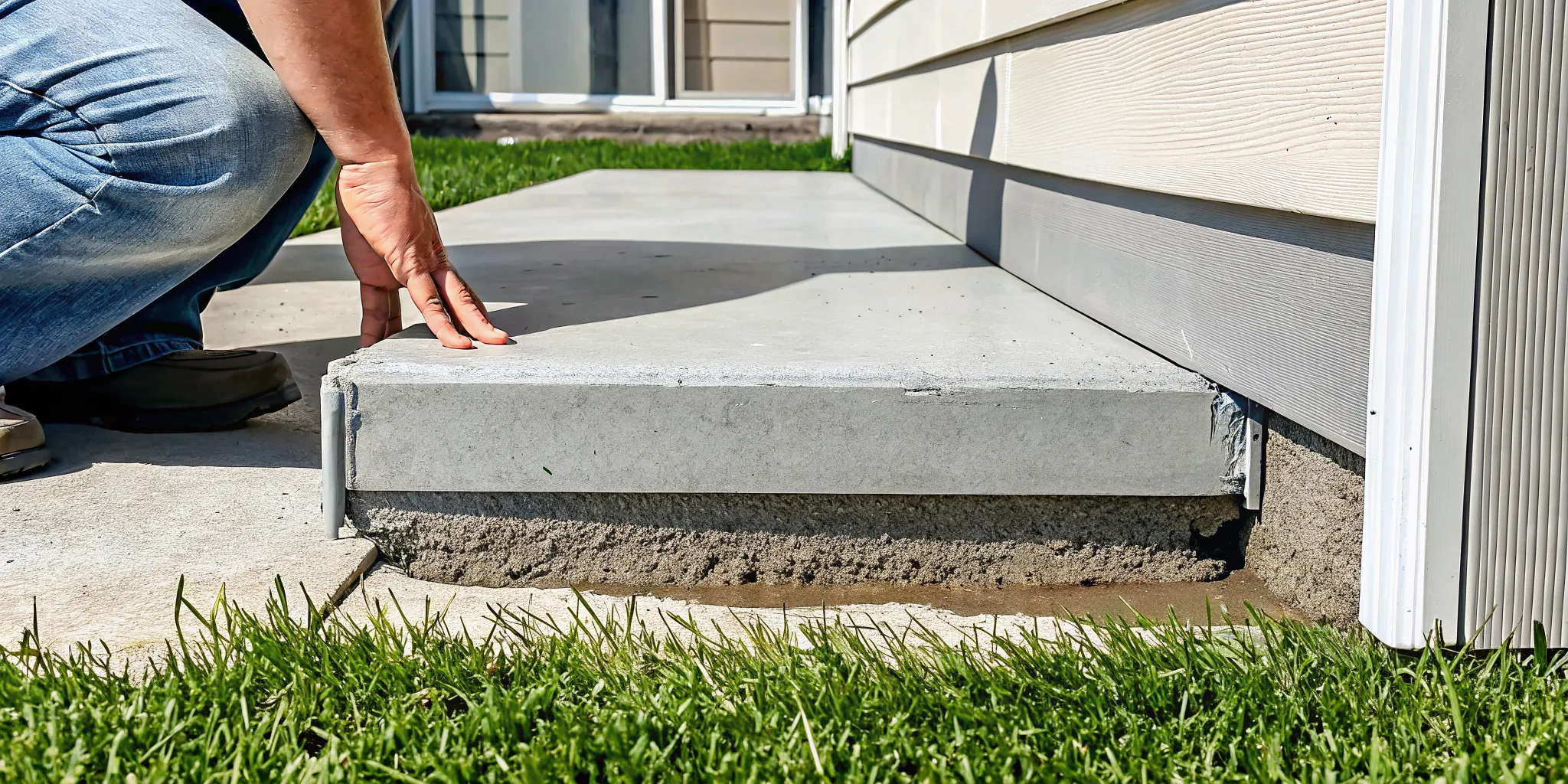
Expansive clay changes volume as its moisture content changes. A slab leak introduces water to one specific area beneath the foundation, so the affected clay can swell and push upward while nearby soil responds differently. The result is differential heaving, meaning one portion of the slab moves relative to another.
Homeowners often associate foundation damage with settling, but upward movement can be just as destructive. The issue is not simply whether the foundation moves up or down. Uneven movement places stress on the slab, walls, framing, and finishes that were designed to remain in a relatively consistent position. A guide to foundation repair on clay soil can help you understand why moisture management matters so much in this region.
North Texas homes sit in an environment where foundation stability depends heavily on soil moisture. Research from the National Research Council Canada building digest explains that swelling and shrinking soil, rather than excessive structural loading, causes many foundation problems. A slab leak can intensify that natural soil behavior in a small, highly stressed area instead of allowing moisture to change gradually across the site.
How movement appears inside your home
As the slab and supporting soil move unevenly, you may notice symptoms in the finished structure. Wall cracks can develop as parts of the building shift. Doors or windows may begin sticking because their frames are no longer aligned as they were. These signs do not prove that a slab leak caused the movement. But they deserve attention when they occur alongside warm floor areas, unexplained moisture, a rising water bill, or declining water pressure.
Finding the source matters because repairing visible cracks without addressing the moisture problem leaves the underlying cause in place. If you suspect a leak beneath the slab, consider arranging a professional assessment that evaluates both the plumbing condition and the foundation response.
When to Call for a Professional Assessment
When you notice a damp floor, an unexplained warm spot, a sudden increase in water use, or a drop in water pressure, start with a simple check. These signs do not confirm a leak by themselves, but they give you a reason to investigate before moisture affects the soil beneath your home.
Start with a water-meter check
Turn off every faucet and water-using appliance inside and outside your home. Make sure toilets have finished refilling, then watch the water meter for several minutes. If the indicator continues moving while no water is running, your plumbing system may have a leak. The test can help you identify ongoing water loss, but it cannot show where the leak is or prove that the line runs beneath your slab.
A high water bill also deserves attention, although it can result from a leak elsewhere in the plumbing system. Treat the meter test as an initial screening step, not a diagnosis. Avoid opening flooring or concrete to search for the source, since unnecessary disruption can make the investigation more difficult.
Use professional detection to locate the source
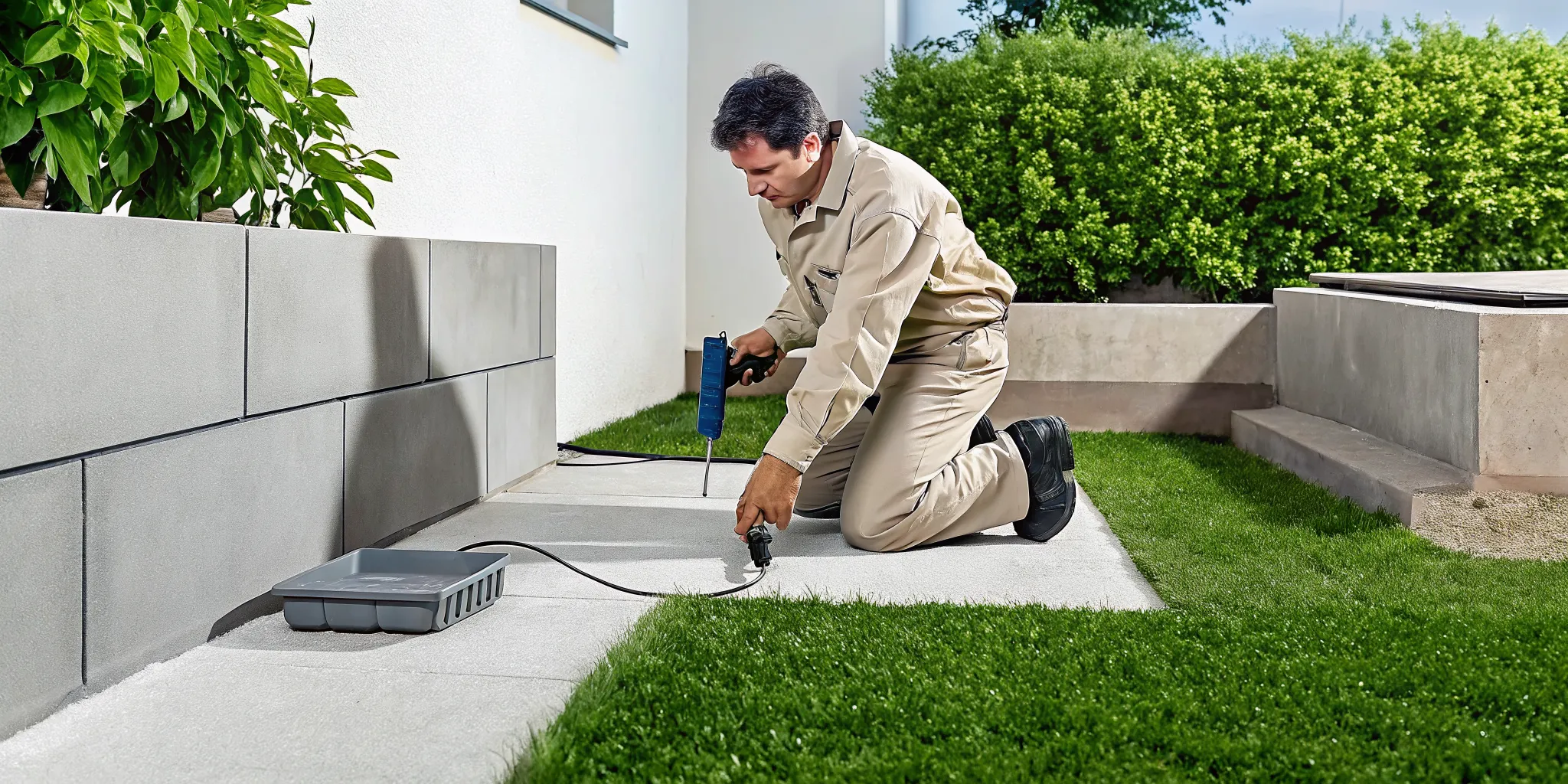
A qualified leak-detection professional can combine thermal equipment with acoustic listening devices to trace temperature changes and the sound of escaping water. These tools help narrow the location of a concealed plumbing leak without relying on guesswork. A plumber can then determine the plumbing repair path, while a foundation specialist can evaluate whether moisture has affected the slab or supporting soil.
That second assessment matters in North Texas, where expansive clay changes volume as its moisture level changes. A concentrated leak can create uneven moisture conditions beneath the foundation. If you also see new cracks, uneven floors, or doors and windows that suddenly stick, arrange a foundation evaluation promptly. An inspection can distinguish plumbing symptoms from movement-related damage and identify the appropriate next step.
For context on the repair process, review foundation repair services and learn what to expect from a professional foundation inspection. A documented assessment gives you a clearer plan than a cost guess and helps you address the leak and any related foundation concerns in the right order.
Frequently Asked Questions
Does a high water bill mean I have a plumbing leak beneath my slab?
An unusually high water bill can indicate a leak, but it does not confirm that the leak is beneath your slab. Check for other plumbing issues, such as running toilets or dripping fixtures. And watch for additional signs including warm floor areas, damp spots, reduced water pressure, or unexplained moisture. A professional leak assessment can identify the source before water changes the moisture balance in the expansive clay beneath your home.
How can a leak beneath the slab affect my foundation?
Water from a damaged line can create a concentrated wet area under the foundation. North Texas expansive clay responds to moisture changes by swelling, and uneven swelling can make one portion of the slab heave or tilt differently from another. That movement may show up as new wall cracks, uneven floors, or doors and windows that begin to stick.
How do professionals find a leak under a concrete slab?
Professionals can combine water-use checks with specialized equipment, including acoustic listening devices and thermal cameras, to narrow down the location without unnecessary demolition. The inspection should distinguish a leak beneath the slab from a problem elsewhere in the plumbing system, then document any related foundation movement.
What can I do at home if I suspect a slab leak?
Turn off faucets, appliances, and other water-using fixtures, then observe your water meter. Movement while water is off suggests that water is still flowing somewhere, although the check cannot identify the source. Arrange a professional plumbing or leak-detection assessment, and consider a foundation inspection if you also see cracks, floor changes, or sticking doors.
Ready to Address a Possible Slab Leak?
Early attention can help clarify whether a plumbing leak is affecting your home or the expansive clay soil beneath it. Contact Solid Base Foundations for a free estimate and a thoughtful assessment of the foundation concerns you have noticed. The team will discuss the next step with you and help you decide whether a specialist evaluation is worthwhile.