
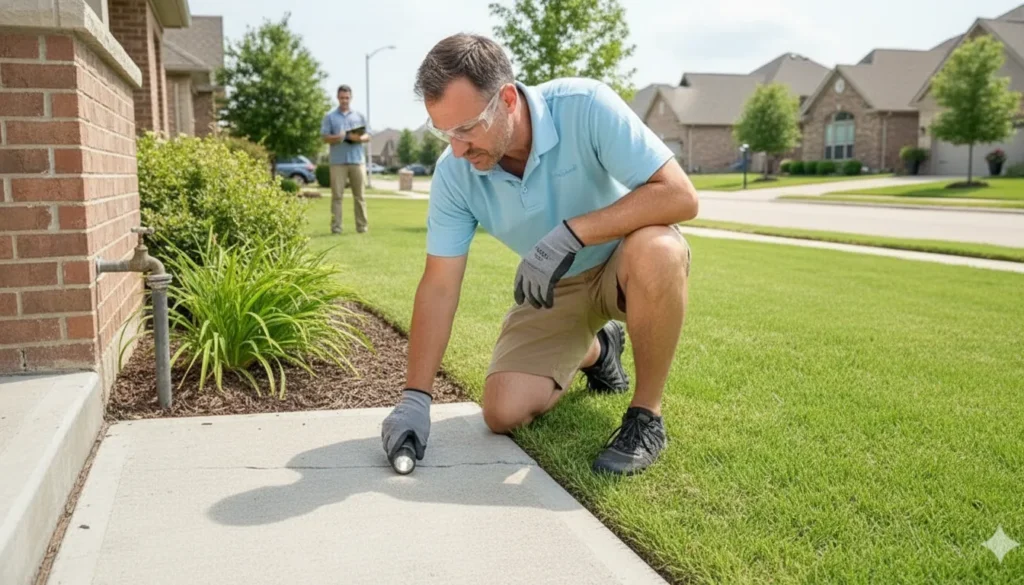
Warm floor tiles under your feet often signal a leaking water pipe under your home. Thin drywall cracks or shifting doors show that your concrete slab is moving. Both issues need quick action before they damage your home.
Call Today for a Free Quote
The professionals at Solid Base Foundations have been providing expert foundation repair services in the Dallas-Fort Worth area since 1993. Call (940) 365-4221 for your free estimate today!
A slab leak vs foundation crack comparison shows the clear difference between a buried pipe leak and structural shifting of your concrete slab. A slab leak happens when water lines break under your concrete foundation, spraying water that washes away soil and causes your floors to sink. In contrast, a foundation crack is real concrete damage, often caused by the constant shrinking and swelling of North Texas clay soils. This shifting soil puts huge structural pressure on your concrete, as noted in geological reports on expansive soils. While plumbing leaks need a plumber to patch the water line, structural cracks need expert foundation repair crews to lift and support your home.
Knowing these clues helps you protect your home and choose the right repair path. It is wise to spot the unique warning signs of water damage versus concrete settling. To choose the right fix for your home, we begin with What Is a Slab Leak vs Foundation Crack?
What Is a Slab Leak vs Foundation Crack?
Homeowners in Greater Dallas often confuse a slab leak vs foundation crack because both issues can show up as wet floors or cracked concrete. But they are different problems with different sources. A slab leak starts when water escapes from a water pipe under your home’s foundation. A foundation crack is structural damage to the concrete slab itself. Shifting ground or normal settling causes these concrete breaks.
Defining a slab leak
A slab leak is a plumbing problem that happens deep beneath your home. Water lines and sewer pipes are buried in the soil under your heavy concrete floor. Over time, these pipes can rust, break, or burst. Water then escapes under high pressure and flows into the dirt. If you do not find and fix a slab leak quickly, it can cause added foundation damage. This is because running water washes away the dirt that supports the heavy concrete. As the soil erodes, voids form, and the concrete slab starts to sink. To fix this, you will need a team that knows slab foundation repair to restore the support.
Understanding structural foundation cracks
A foundation crack is a structural break in the concrete slab itself. Unlike a leak, a crack is not caused by a burst pipe. Instead, it comes from soil movement under your home. Shifting dirt makes the concrete bend and flex until it snaps. Slab foundations in North Texas can suffer from both upheaval and settlement. Upheaval happens when wet soil expands and pushes the concrete upward. Settlement occurs when dry soil shrinks and pulls support away. When different parts of your home move at different rates, cracks form in your slab. If you see cracks in your walls or sloping floors, you should look into foundation settlement causes to see if your home is sinking.
The North Texas clay soil connection
The root cause of both issues is the local soil. North Texas sits on expansive clay soil that behaves like a sponge. This clay shrinks and swells as moisture levels change. When we have heavy rain, the clay absorbs water and grows. During hot Texas summers, the ground dries out and shrinks. This extreme cycle puts immense stress on your home. Research shows that expansive soil movement is a primary driver of major foundation damage. Because our clay swells so much, North Texas homes need constant care. The shifting soil can snap underground pipes to cause a slab leak, or it can crack your concrete directly.
How to Tell the Problem Apart: Slab Leak vs Foundation Crack Symptoms
When you face home issues in North Texas, you must tell a plumbing leak apart from a structural settling issue. Both involve moisture changes and expansive clay soil, but the symptoms show other root causes. A plumbing leak starts under your floors. Shifting clay soil, however, attacks the concrete slab itself. Knowing how to tell a slab leak vs foundation crack apart helps you find the right path to repair.
Water signals vs structural signals
Water signals are key clues that point to plumbing lines. A sudden jump in your water bill is often the first sign of a leaking pipe under your foundation. You might also find warm spots on your floors or hear water running when all faucets are off. If you notice these symptoms, you are likely dealing with slab leak warning signs in your home.
When water leaks under a slab, mold can grow near your floorboards because of rising moisture. You can read about mold risks on the University of Minnesota Extension site. These signs mean you have a plumbing problem, not a basic concrete crack.
Structural signals show that your home is moving. Shifting clay soils are the main foundation settlement causes in North Texas. You can learn more about how clay soils behave in the Missouri S&T research paper on expansive soils.
When settlement happens, you will see clear signs in your home. You might notice stair-step cracks in your outer brick walls or mortar joints. Slanted cracks on outer walls or gaps around window frames also point to structural movement. Inside the home, doors and windows may stick or become hard to open. These movements show that the soil is moving, which stresses the concrete structure.
Sometimes the signs overlap, which makes the problem hard to diagnose. For instance, both issues can cause cracks in your walls or concrete floors. A leak under the slab can also wash away soil, causing the foundation to settle and crack. Because these symptoms can mimic each other, you should not guess the cause. A professional check is the best way to find out what is wrong. A technician can test your plumbing and look at the concrete to find the root cause before you start repairs.
Symptom comparison chart
To help you see the signs clearly, this chart maps them to each issue. Looking at these signs can help you decide who to call first.
| Symptom | Likely Slab Leak | Likely Foundation Crack |
|---|---|---|
| Water bills | Unexplained spike or sudden rise in water use | No change in monthly water bills |
| Floors | Damp carpets, warm floor patches, musty odors | Sloping floors, visible cracks across concrete |
| Water sounds | Sounds of running water when all faucets are off | No unusual plumbing sounds |
| Wall and brick cracks | Minor hairline cracks from swelling soil | Stair-step cracks in mortar or brickwork |
| Windows and doors | Generally operate normally | Stick or become hard to open and close |
How to start your check
To begin your check, look at your water meter first. If the meter spins while no water is running inside, you likely have a plumbing leak. If the meter is still but you find cracks in your brick walls, soil movement is the likely cause. In either case, acting quickly helps you prevent more damage. Catching these problems early keeps your repair costs low and protects your home’s value.
The Warning Signs That Point to a Slab Leak
A slab leak can be a scary thing for any homeowner. Unlike a simple surface crack, a plumbing leak under your concrete slab is a hidden threat. Spotting the signs early is key to protecting your home. When you compare a slab leak vs foundation crack, the main difference is where the problem starts. In North Texas, our thick clay soil makes both problems common. Shifting soil can break pipes or crack your concrete foundation.
Sudden spikes in your water bill
A sudden, large rise in your water use is the most common sign of a leak under your slab. This happens because water from a pressurized pipe escapes day and night. A tiny hole can leak hundreds of gallons of water each day. You might also notice a drop in water pressure when you turn on your tap. At the same time, you may hear the sound of running water even when all faucets are turned off. If you hear water rushing behind your walls or under your floors, do not ignore it.
Warm floors and damp carpets
A leak under the slab will over time make its way into your living space. If hot water pipes leak, you might feel warm spots on your floor. This dampness can ruin your hardwood floors or create wet spots on your carpet. Excess moisture under your floors also causes high indoor humidity. When water sits, mold and mildew can grow in damp carpets and beneath wall coverings. This growth often creates a musty smell in your home. You might also notice damp drywall near the base of your walls. If you notice these issues, learning the common slab leak warning signs can help you act fast.
Secondary foundation damage from sub-slab moisture
A plumbing leak under your slab is not just a water issue. It can also cause real secondary foundation damage if you leave it alone. As water flows, it washes away the soil under your home. This soil erosion creates empty spaces, or voids, beneath the concrete. Without soil to support it, your slab can crack and sink. In other cases, too much water can cause the foundation to heave. This happens when expansive clay soil absorbs water and swells, pushing the slab upward. Shifting soil forces can pull the concrete apart or push it out of place. To prevent this damage, it is important to find the leak quickly. Experts use tools like acoustic gear and thermal scans to find the leak without tearing up your concrete. Finding the pipe leak early lets you fix it before it ruins your home.
When Is a Foundation Crack Structural, and When Is It Just Settling?
Finding a crack in your concrete slab can cause real stress. When comparing a slab leak vs foundation crack, it is helpful to look at both plumbing signals and structural movement. Concrete shrinks as it dries and moves over time, mainly in North Texas where clay soil shifts often.
Cosmetic curing cracks and minor settling
When builders pour concrete, the wet mix shrinks as it dries. This process often leaves thin, even hairline cracks in your floor. These curing cracks are cosmetic and do not mean your slab is failing. You can learn more about a cosmetic concrete crack vs foundation crack to see what is normal for a home in Dallas.
Normal settling also happens to almost every home. As a house sits on its ground, the soil under it packs down. This causes the house to sink a tiny bit. If this movement is even, it will not hurt your home. But if one side sinks faster than the other, you may see structural problems.
Regional clay soil and foundation movement
The soil around your home plays a major role in how your slab behaves. In North Texas, the ground contains a high amount of expansive clay. This clay acts like a sponge, taking in water and swelling when it rains, then shrinking during hot, dry summer months.
This constant shifting is the root cause of local foundation issues. Research reports from North Dakota State University confirm that soil shrinkage removes critical support, which forces slabs to shift. When the dry clay pulls away from the concrete, the heavy slab loses its footing and drops, leading to serious cracks.
Indicators of structural settling and damage
You do not have to guess if a crack is dangerous. There are clear signs that point to structural settling. If you notice these symptoms in your home, it is time to have an expert check your foundation.
Be on the lookout for these classic signs of structural damage:
- Crack width and growth: Watch out for any crack that is wider than one-quarter inch or is actively growing wider.
- Sideways or stair-step patterns: Cracks that run sideways or follow a stair-step pattern in your brick mortar are clear signs of uneven movement.
- Interior door and window issues: If your doors and windows stick, or if you see cracks in your drywall, your frame is shifting.
- Gaps at the seams: Gaps forming between your window frames and walls show the structure is pulling apart.
Homeowners can take steps to protect their property from these shifts. You can learn how to prevent foundation damage by watering your soil evenly during dry spells. Keeping soil moisture stable around your concrete slab is the best way to avoid costly structural repairs.
What to Do Next: Get a Professional Inspection
If you find water on your floor or see a new crack, you must act fast. Do not try to guess the cause on your own. Because a slab leak vs foundation crack can look the same, finding the root cause is hard. It is best to have a trained expert check the damage and prevent major problems.
Overlapping symptoms and root causes
Both problems can make your floors crack or ruin your tile. Since the signs are so close, an expert inspection is the only way to find what went wrong. A study by North Dakota State University shows that dry soil removes support from a home. This soil shrinkage causes the building to shift and walls to crack.
But a leaking water pipe under the concrete can also push the slab up. An expert can tell if your home is settling from dry clay or rising from a broken water pipe. A professional foundation inspection is needed to tell harmless minor cracks from active structural movement.
Different repair paths
Once you know the root cause, you can pick the right repair path. If you have a slab leak, you will need a plumber to fix the pipe. They can use trenchless options to repair the line without tearing up your floor. But if the issue is structural, you will need a foundation contractor.
For structural cracks, a contractor can use epoxy injection, steel piers, or PolyLevel lifting to level the home. You can learn more about these methods by reading about slab foundation repair choices. If you are unsure what is happening under your floors, reviewing slab leak warning signs can help you spot issues early.
Homeowners insurance coverage
Many homeowners worry about how they will pay for these fixes. Homeowners insurance often covers the water damage caused by a slab leak. But policies usually do not pay for normal foundation settling or ground movement. The total cost of the work depends on the root cause and how far the damage has spread.
If you wait too long, a small leak can wash away the soil under your home, which makes the repair much harder. To protect your home, get an expert to check the site and run tests. This keeps you from spending money on the wrong fixes. Start with a free estimate to get clear answers and keep your home safe.
Frequently Asked Questions
Can a foundation crack cause a slab leak?
Yes, a shifting foundation can break plumbing lines. When the heavy concrete slab moves, it puts extreme pressure on the water pipes buried beneath it. Shifting soil under the home can pull pipes apart or bend them until they burst. If you have structural damage, a pipe leak may follow soon. According to Solid Base Foundations, these overlapping issues require professional inspection to find the root cause.
When should you worry about a foundation crack?
You should worry if a concrete crack is wider than one-quarter of an inch. Cracks that run in a stair-step pattern or go across walls also signal severe settling. If doors and windows stick or floors slope, the crack is likely structural. According to Solid Base Foundations, cracks that keep widening need a fast expert check to prevent further damage.
How do you know if you have a slab leak?
An unexplained spike in your water bill is often the first sign of a hidden pipe leak. You might also hear running water when all faucets are off. Look for warm spots on floors or damp carpet. According to the University of Minnesota Extension, mold near floorboards also points to rising moisture. Professional leak detection is key to finding the exact leak before it ruins your home.
How does expansive clay soil in North Texas affect foundations?
The soil in North Texas contains high amounts of expansive clay. This clay behaves like a giant sponge that swells when wet and shrinks during dry spells. These rapid volume changes put extreme stress on concrete slabs. Over time, the shifting soil causes slabs to tilt, crack, or sink. According to soil researchers, managing water drainage is vital to protect slabs from this shifting.
Ready to Schedule a Free Foundation Inspection Today?
Leaving slab leaks or structural foundation cracks unresolved under your North Texas home can cause severe and extremely costly damage over time. The region’s expansive clay soil constantly shrinks and swells with moisture changes, making it critical to find and fix water leaks and concrete movement immediately. Our professional team specializes in durable slab foundation repair to resolve these shifting issues before they permanently compromise your home’s structural safety.
Ready to schedule a free foundation inspection? Do not wait for a small water leak to completely ruin your concrete slab and cost you thousands of dollars. Contact the experienced team at Solid Base Foundations today at (940) 365-4221 to schedule a free foundation inspection and get your free estimate.